
McGill University
Biocolloids and Surfaces Laboratory
3610 Rue University, Montréal, QC H3A 2A7
Research Overview
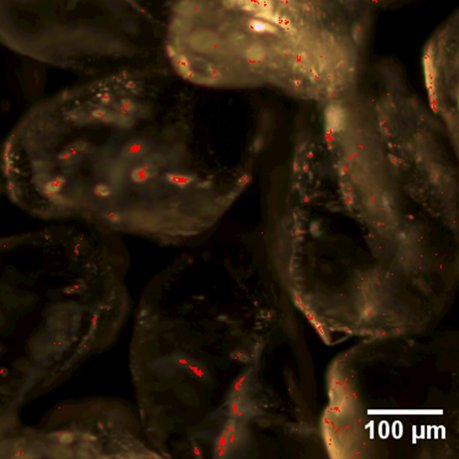
Our research focus is in the area of (bio)colloid-surface interactions with applications in protection of water resources, engineering of biosensors, antimicrobial materials, and development of safe nanotechnology. The Biocolloids and Surfaces Laboratory combines tools from surface and colloid science with techniques in molecular, cellular, and microbiology to address interdisciplinary problems that have implications for protection of the environment and public health. Some of the instruments used in our research include a quartz crystal microbalance with dissipation monitoring (QCM-D), a NanoTweezer, a scanning imaging ellipsometer, and an enhanced darkfield hyperspectral microscope. We also have facilities for material characterization, cell culture, and culture of insects and plants.
Nanomaterials in the environment
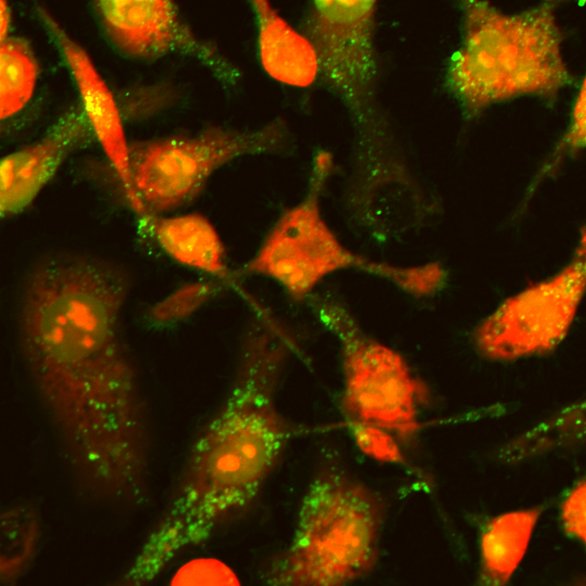
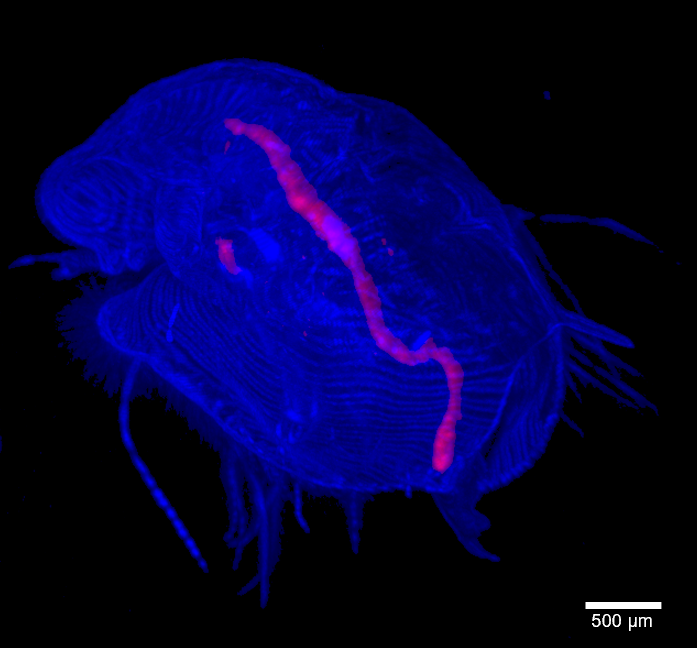
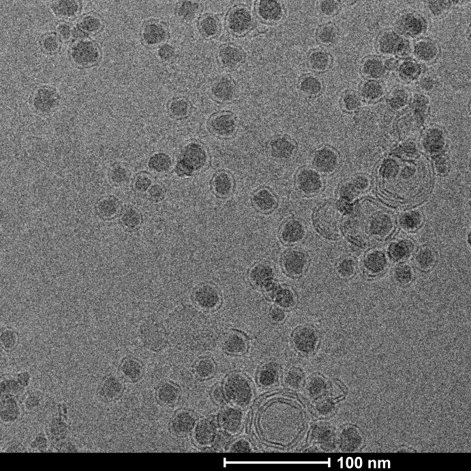
Nano-scale materials are on the order of 1-100 nm in size and have applications in a wide range of products and industries including electronics, medicine, agriculture, oil and gas production, and environmental remediation. Our team is working on: - Nanoplastic and microplastic fate, transformations and toxicity in aquatic and terrestrial environments - Synthesis of new nanomaterials using green (sustainable) chemistries and processes - Development of nanotechnologies for water and soil remediation - Nanomaterial toxicity at different levels of biological organization (cell membranes, whole cell and whole organism)
Biosensing & Bioadhesion
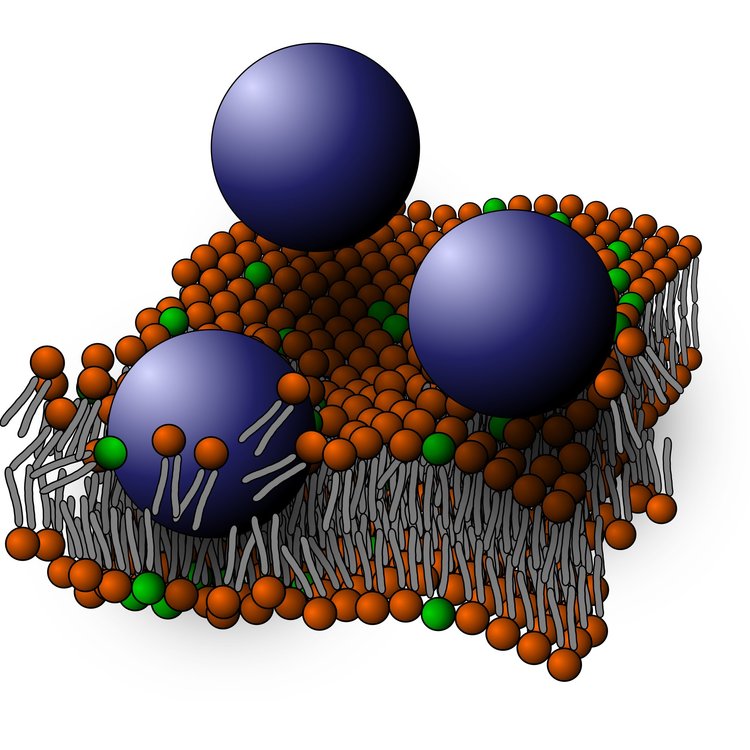
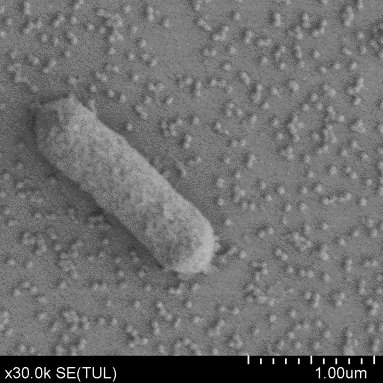
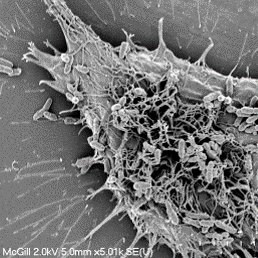
Attachment of bacteria to the surface of biomaterials or mammalian cells often leads to infection. We are developing new approaches for prevention of cell attachment to these surfaces. Our work on bioadhesion and biofilm formation is also important in the protection of drinking water resources and prevention of biocorrosion in industrial processes. We are also developing novel diagnostics (biosensors) to detect changes in cell health. Our team is working on: - Bacterial adhesion to biomaterials and membranes for water treatment - Phage-functionalized materials for bacterial capture and inactivation (bioactive surfaces) - Electrochemical approaches to prevent bioadhesion and biofilm formation (collaboration with Prof. Omanovic) - Supported lipid bilayers as model cell membranes - QCM-D for medical biosensing
Natural Antimicrobials
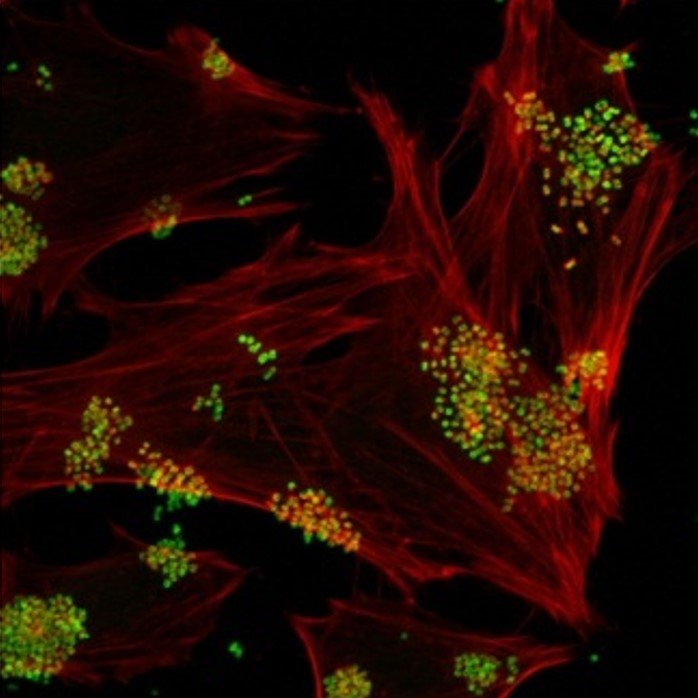
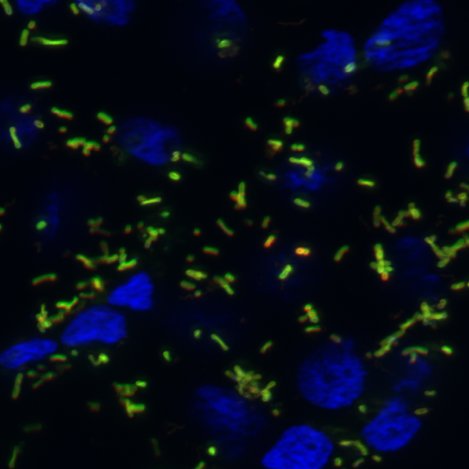
Bacterial motility and quorum sensing are often linked with infection and microbial colonization of surfaces. We have identified different natural plant and berry extracts that impair bacterial motility and quorum sensing and could therefore play a role in mitigating infections in clinical settings. Our team is working on: - Synergistic interactions of natural antimicrobials with synthetic antibiotics - Anti-infectious activity of natural extracts - Anti-biofilm action of natural extracts
Water Quality Protection
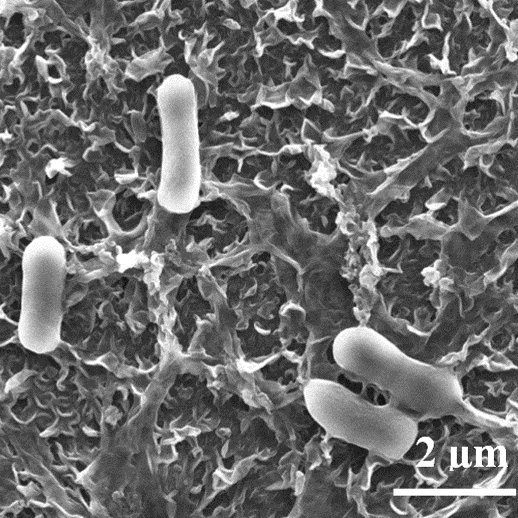
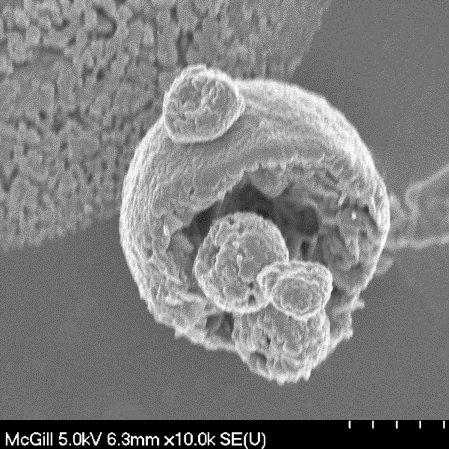
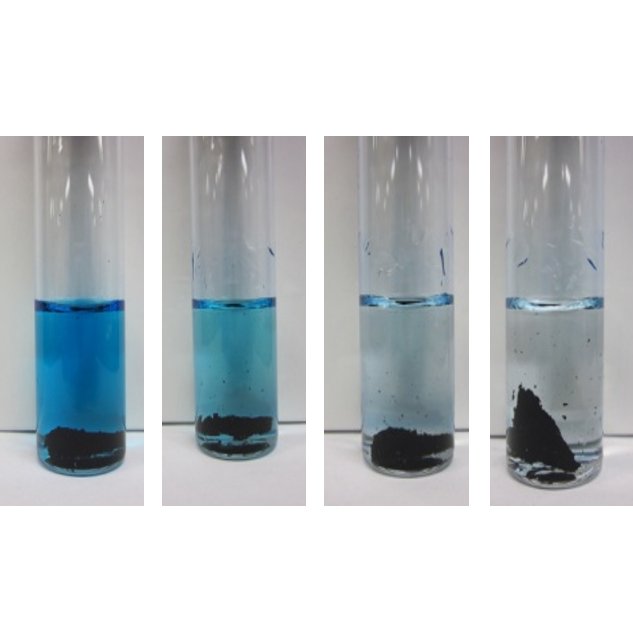
We have expertise in the study of microbial contamination of groundwater and drinking water supplies (investigating microbial transport and survival). We are also one of the only laboratories studying the impact of cold climate and freeze-thaw on pathogen survival and virulence in natural soils and waters. In collaboration with colleagues at Concordia University, we are also developing novel anti-biofouling membranes for water treatment. Our team is working on: - Nano-enhanced polymeric membranes for water treatment - Microbial transport and survival in Canadian groundwaters - Engineered nanomaterials for groundwater and soil remediation - Point-of-use treatment devices for potable water supply - Removal of pathogens from drinking water supplies - Graphene-based hydrogels (sponges) for water treatment
Contact the facility
Talk to the team about your research, access, or a visit.
Find us
McGill University
3610 Rue University, Montréal, QC H3A 2A7