A team member at LabGiant drafted this page. It was written from your own page at boisestate.edu/coen-bmmb.
It is not listed. It will not show up in search or browse, and only someone with the link can open it. Once you claim it, your facility takes its place on the Boise State University page.
Want changes, or want it taken down? Email [email protected].
Boise State University
Biomechanics and Mechanobiology Lab (BMMB)
We help researchers culture, stretch, image and measure living cells and tissues to see how force shapes them.
Ruch Engineering Building, 1375 University Drive, Boise, ID 83725, USA
About the lab
The Biomechanics and Mechanobiology Lab (BMMB) supports experiments that study the mechanical properties of cells and tissues. Our biomechanical stimulation bioreactors let you study how physical forces affect cell morphology and physiology, and our imaging systems measure the result, down to the nanomechanics of live cells.
We offer training in sterile culture technique and help with experimental design. We are a multiuser facility within Boise State's Fabrication, Characterization, and Testing (FaCT) Core. Like every FaCT Core facility, we are a recharge center open to the campus and the community.
What we measure
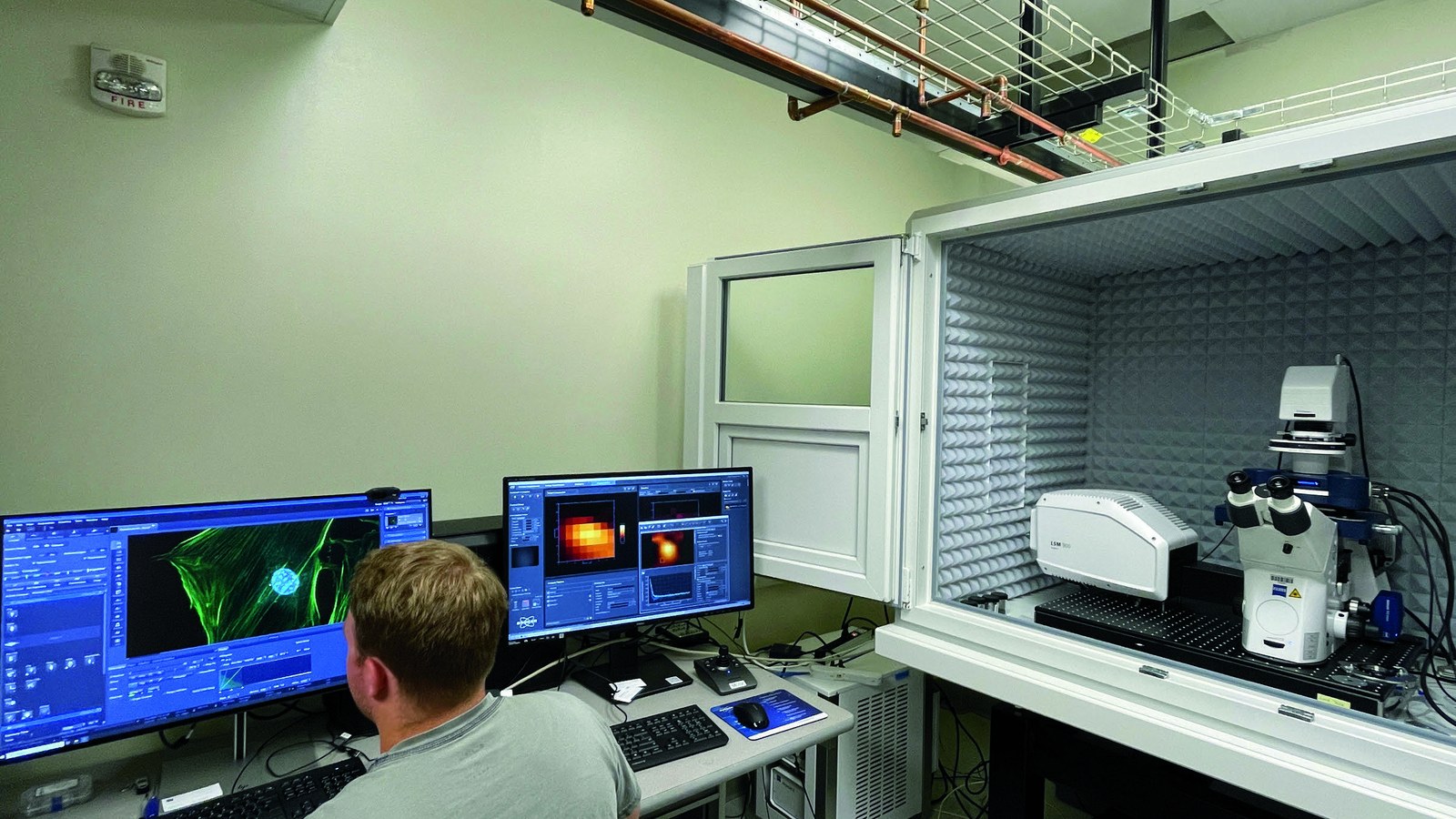
- Mechanics and fluorescence of live cells, together. Our JPK NanoWizard V BioAFM sits on a Zeiss LSM 900 confocal with an Airyscan 2 detector, so you can measure nanomechanical properties and image the same live cells and tissues.
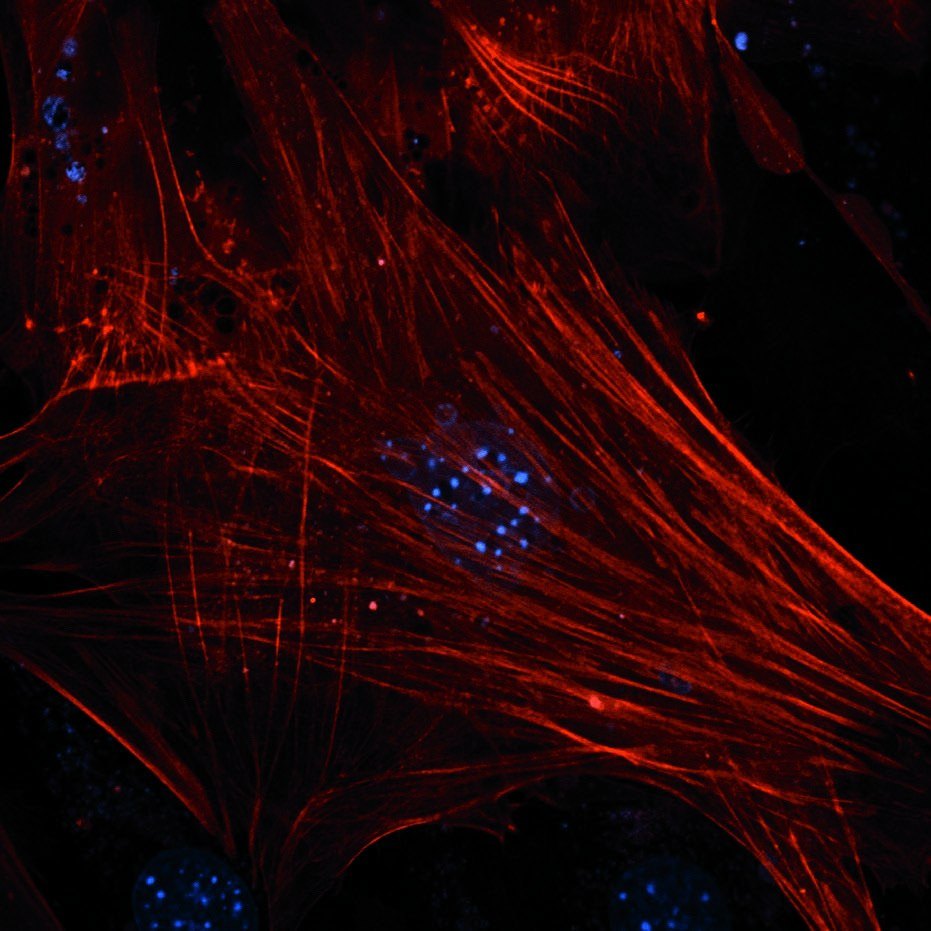
- Confocal images of live or fixed cells. A stand-alone Zeiss LSM 900 with four excitation lasers, an enclosure, a heated stage and a CO2 source for live cells.
- Internal structure in 3D. A SkyScan 1172 micro-CT scanner images bone, softer tissue such as lung, and porous materials such as graphene.
- How cells respond to force. A Flexcell FX-5000 bioreactor applies equibiaxial strain to 2D cultures and 3D gels, and a clinostat simulates microgravity for adherent cells.
- Cells ready to test. A cell culture suite with a biosafety cabinet and CO2 incubator space.
Working with us
Talk to us first. Email [email protected] about your project, or call our lab manager, Sean Howard, at +1 208-426-6432. Researchers from other institutions and companies are welcome.
Train with us. A full-time Ph.D.-level staff member is available for training, including sterile culture technique, and for help with experimental design.
Buy your own consumables. We keep consumables on hand so you can start right away, and we ask you to buy your own and replace what you use.
From the director's research
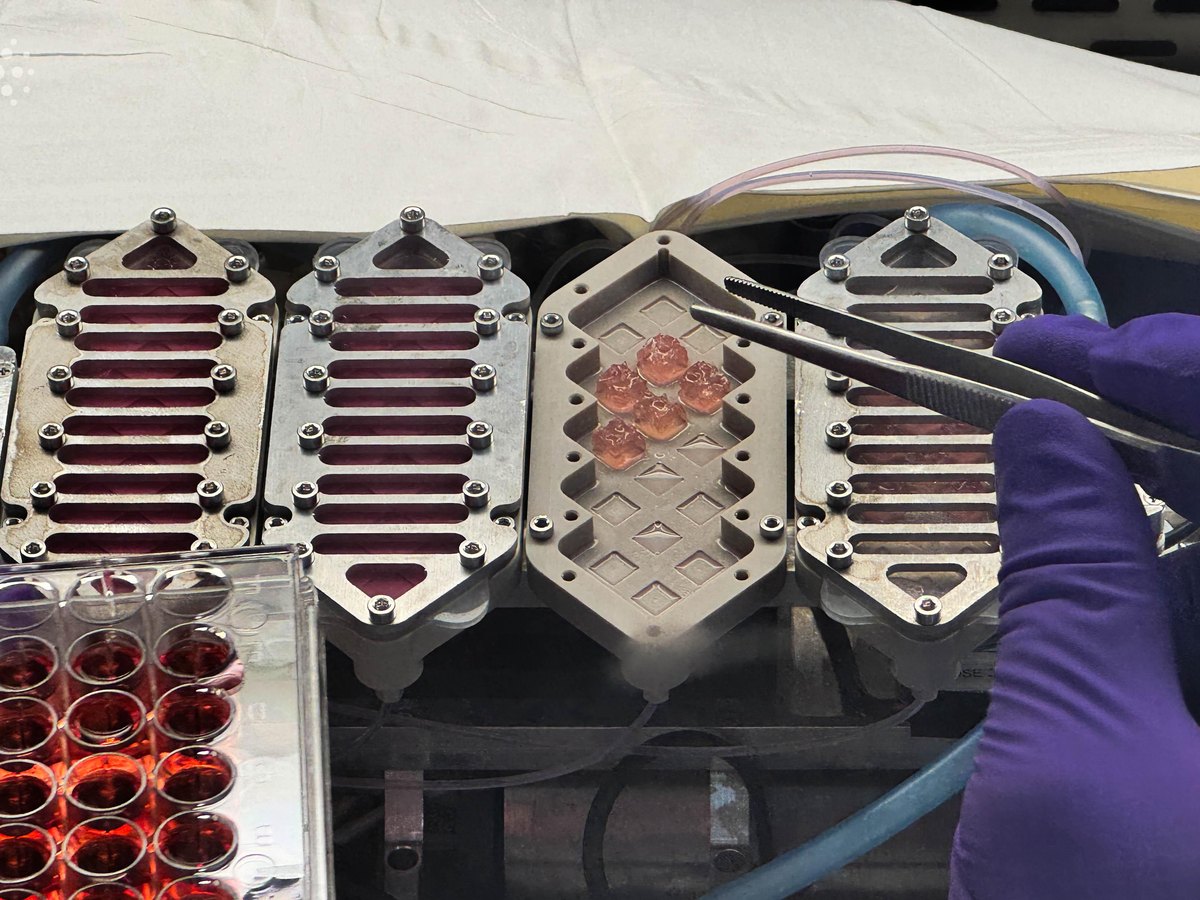
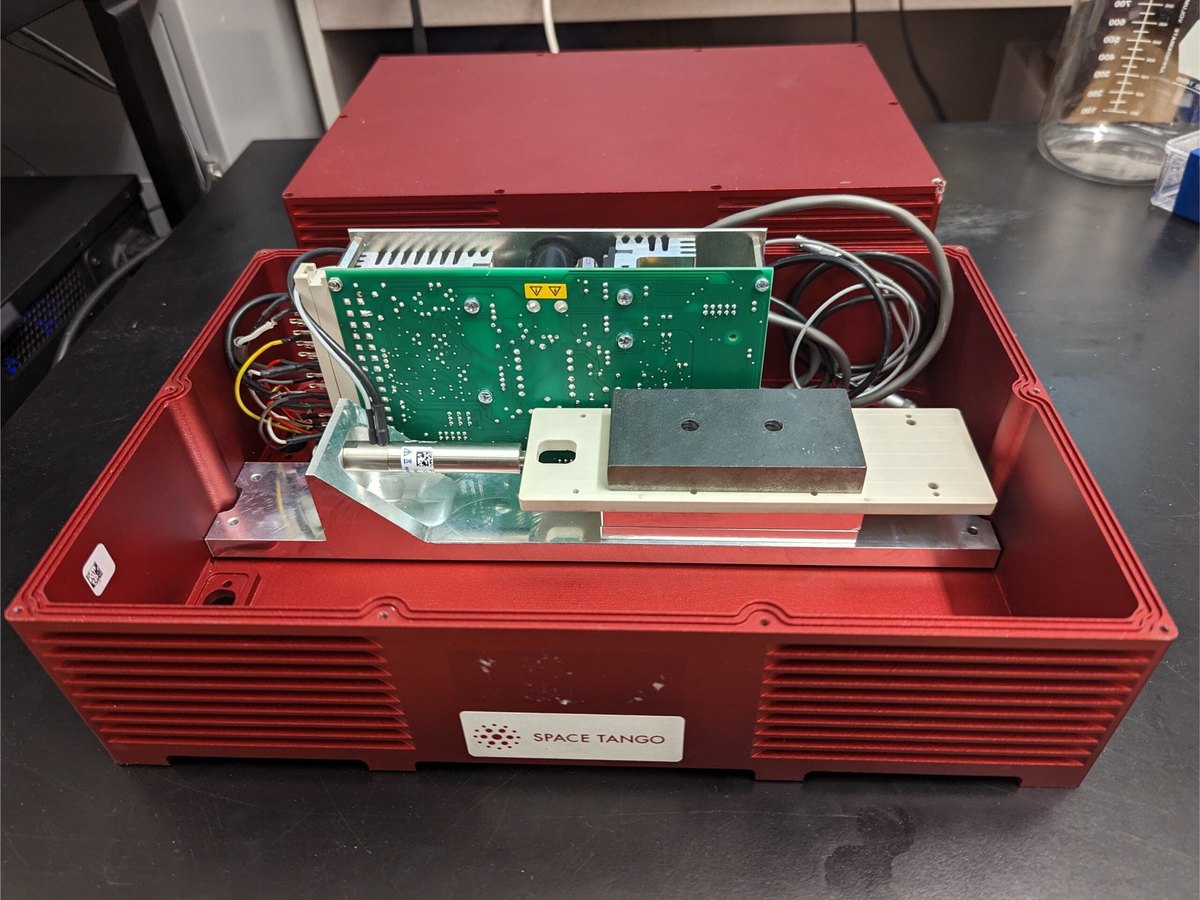
Gunes Uzer, the lab's director, leads a group that studies how cells sense mechanical force, from gentle vibration to the near-weightlessness of spaceflight. In 2026 its lab-grown bone marrow analogs flew to the International Space Station on a SpaceX mission, with Sean Howard as lead scientist.
Rates
Every instrument and service has three published rates: Boise State, Non-Profit and Commercial, with the Non-Profit rate as the listed price. Instruments are billed per instrument hour and staff assistance per labor hour.
The Boise State rate applies to the University's employees and students paying with University or award funds.
The FaCT Core is part of the Convergent Engineering and Biomolecular Science (CEBS) COBRE. The CEBS Voucher Program subsidizes use of the FaCT Core for projects on biomedical devices, sensors and systems that will produce preliminary data for a future NIH proposal. The application asks for a quote from a core facilities manager, so ask us for one first.
Acknowledging the lab
When your work uses the BMMB, please acknowledge the FaCT Core. The suggested text:
This project [or research] utilized resources [or cite specific instruments, tools, or services] in the Boise State University FaCT Core Facility, RRID: SCR_024733, which receives support from the National Institutes of Health [NIH] under the Institutional Development Awards [IDeA] Program of the National Institute of General Medical Sciences [NIGMS] via grants #P20GM148321 [CEBS COBRE] and P20GM103408 [Idaho INBRE]. This [poster, presentation, or paper] and its contents are solely the responsibility of the authors and do not necessarily represent the official views of the NIH.
Contact & visiting
Before your first session
Email us at [email protected] to talk through your experiment and arrange training. We have cell culture consumables on hand to get you started, and we ask you to buy your own and replace what you use.
Get in touch
Find us
Boise State University
Ruch Engineering Building (RUCH), room 104A. Micro-CT: Micron Engineering Center (MEC), room 308
Ruch Engineering Building, 1375 University Drive, Boise, ID 83725, USA
Get directions