A team member at LabGiant drafted this page. It was written from your own page at boisestate.edu/coen-imfl.
It is not listed. It will not show up in search or browse, and only someone with the link can open it. Once you claim it, your facility takes its place on the Boise State University page.
Want changes, or want it taken down? Email [email protected].
Boise State University
Idaho Microfabrication Lab (IML)
Cleanroom microfabrication and printed electronics for researchers, students and industry partners.
1375 University Dr., Boise, ID 83725, USA
About the lab
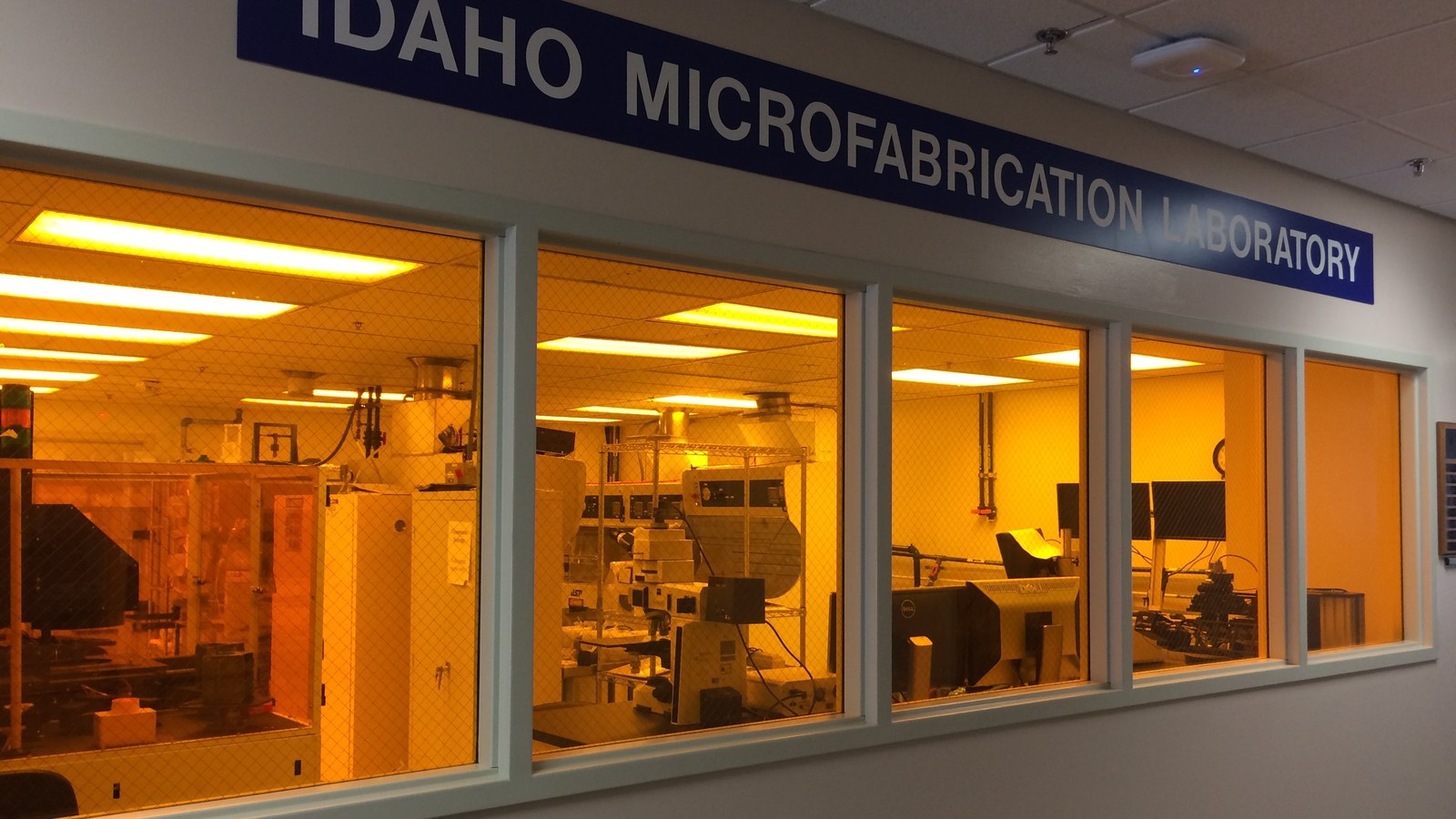
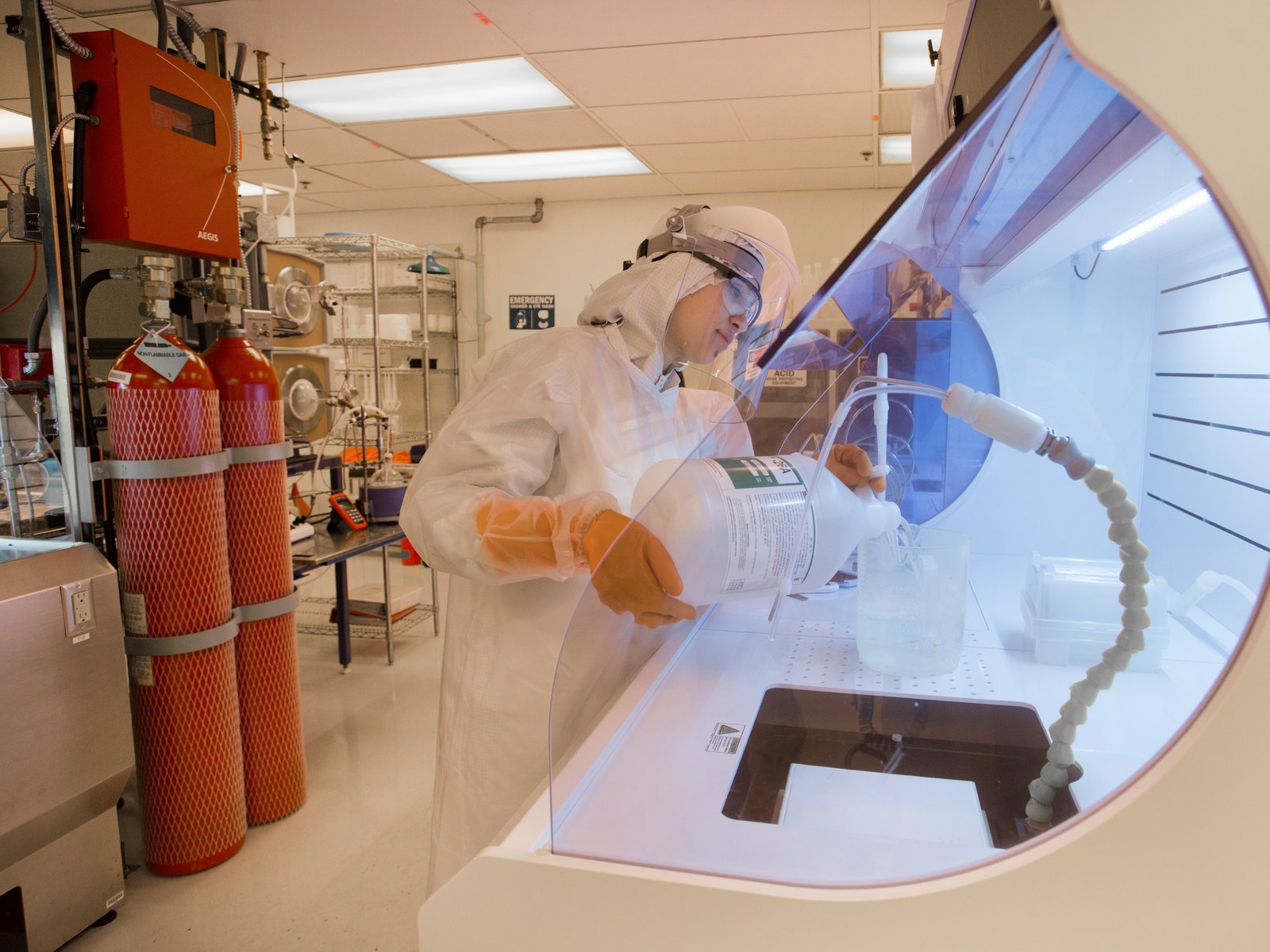
The Idaho Microfabrication Lab (IML) is a shared-use facility in the Boise State University College of Engineering and part of the Fabrication, Characterization, & Testing (FaCT) Core. We house equipment for the design and fabrication of microelectronics, including semiconductor devices and printed electronics.
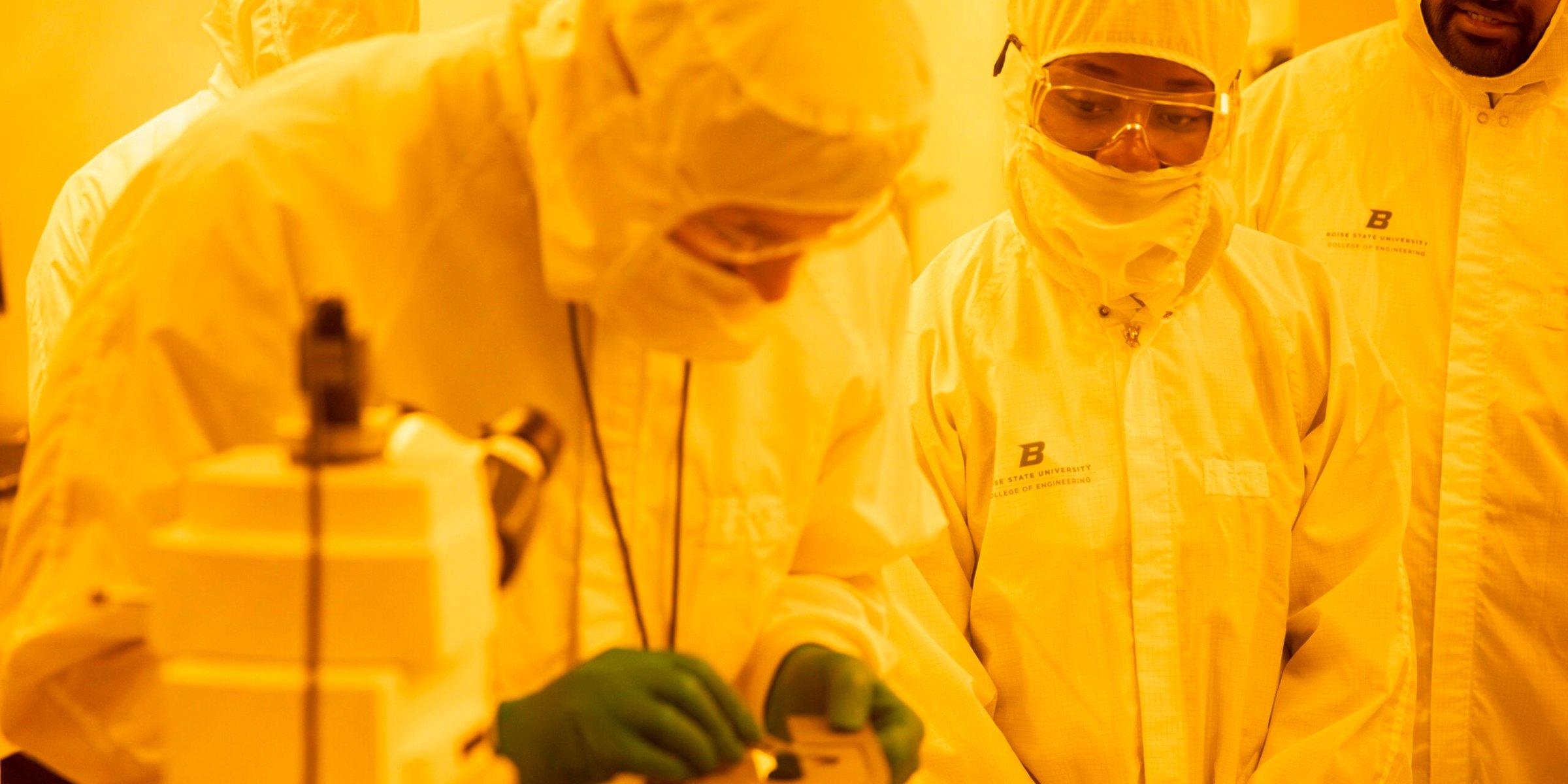
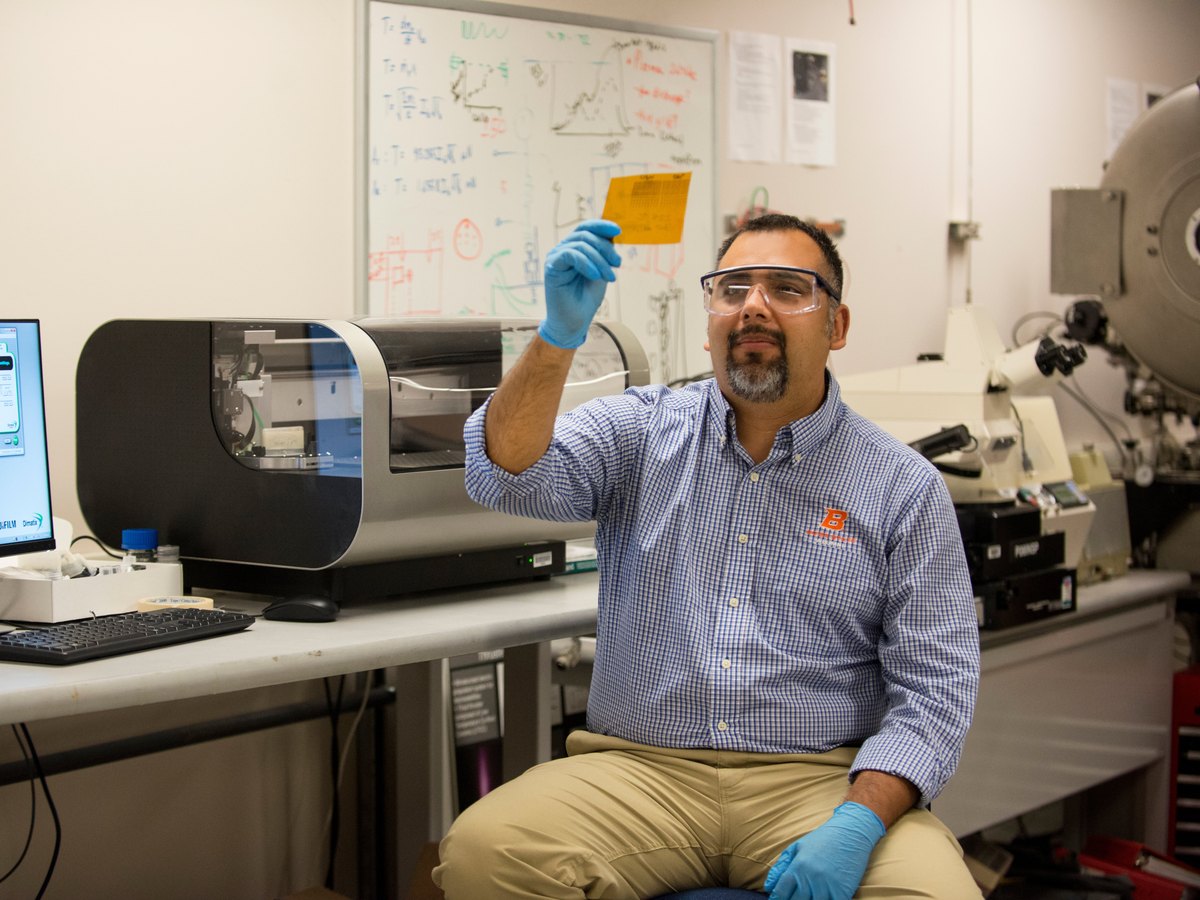
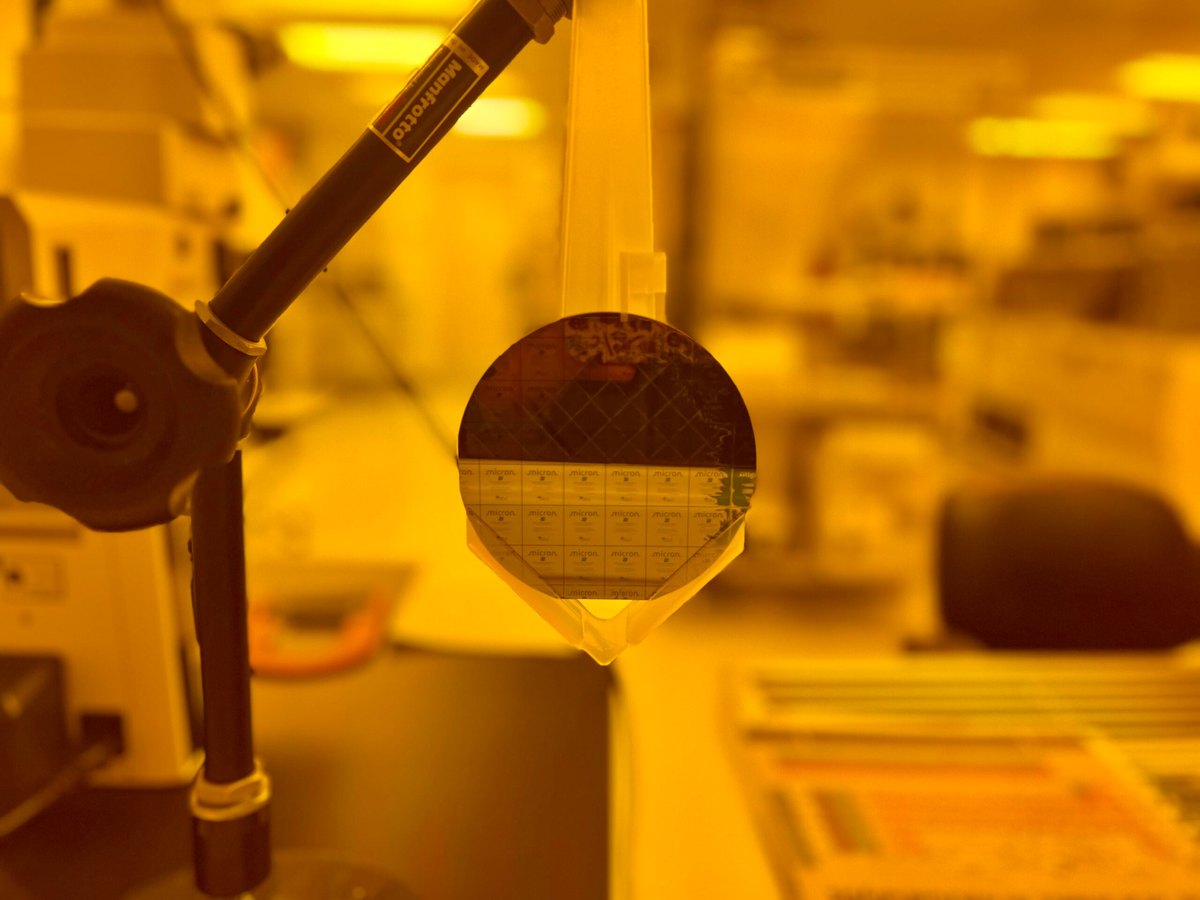
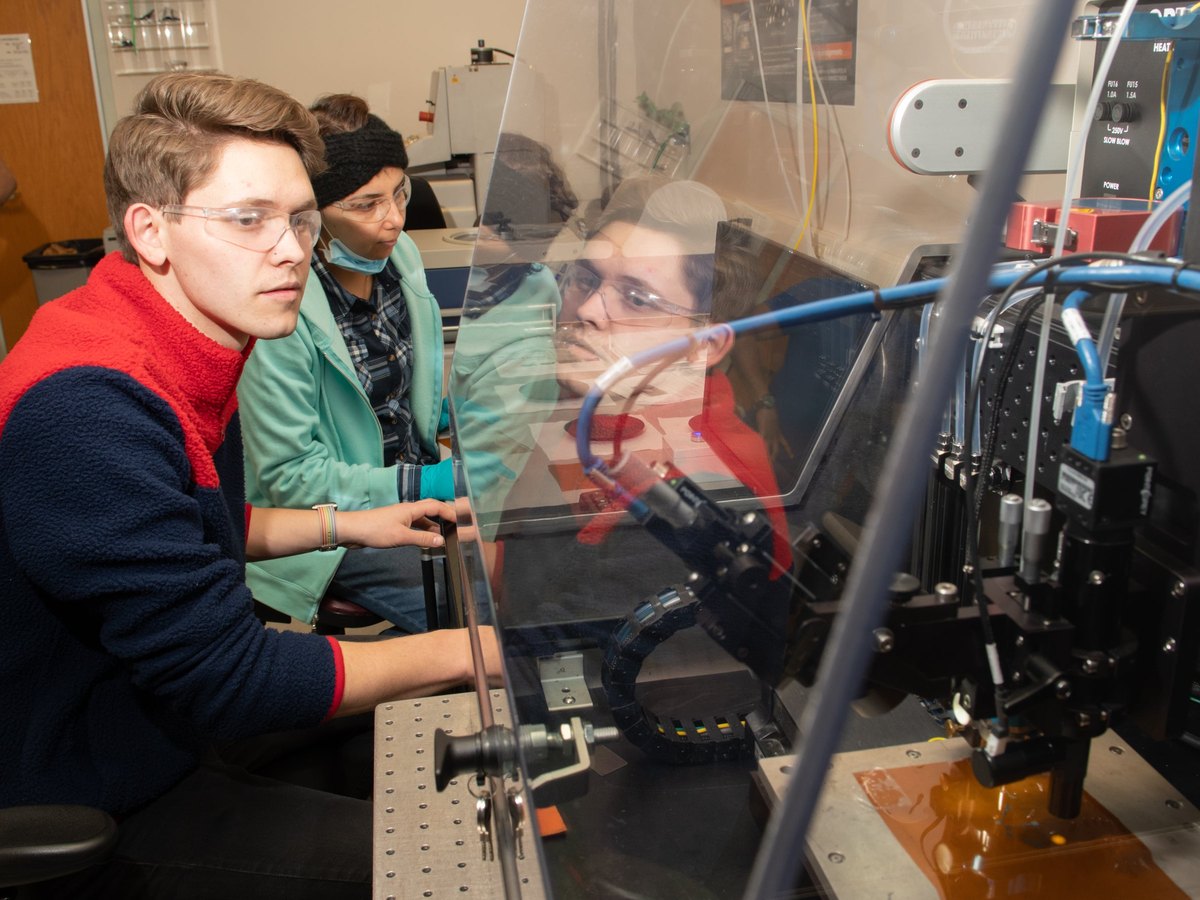
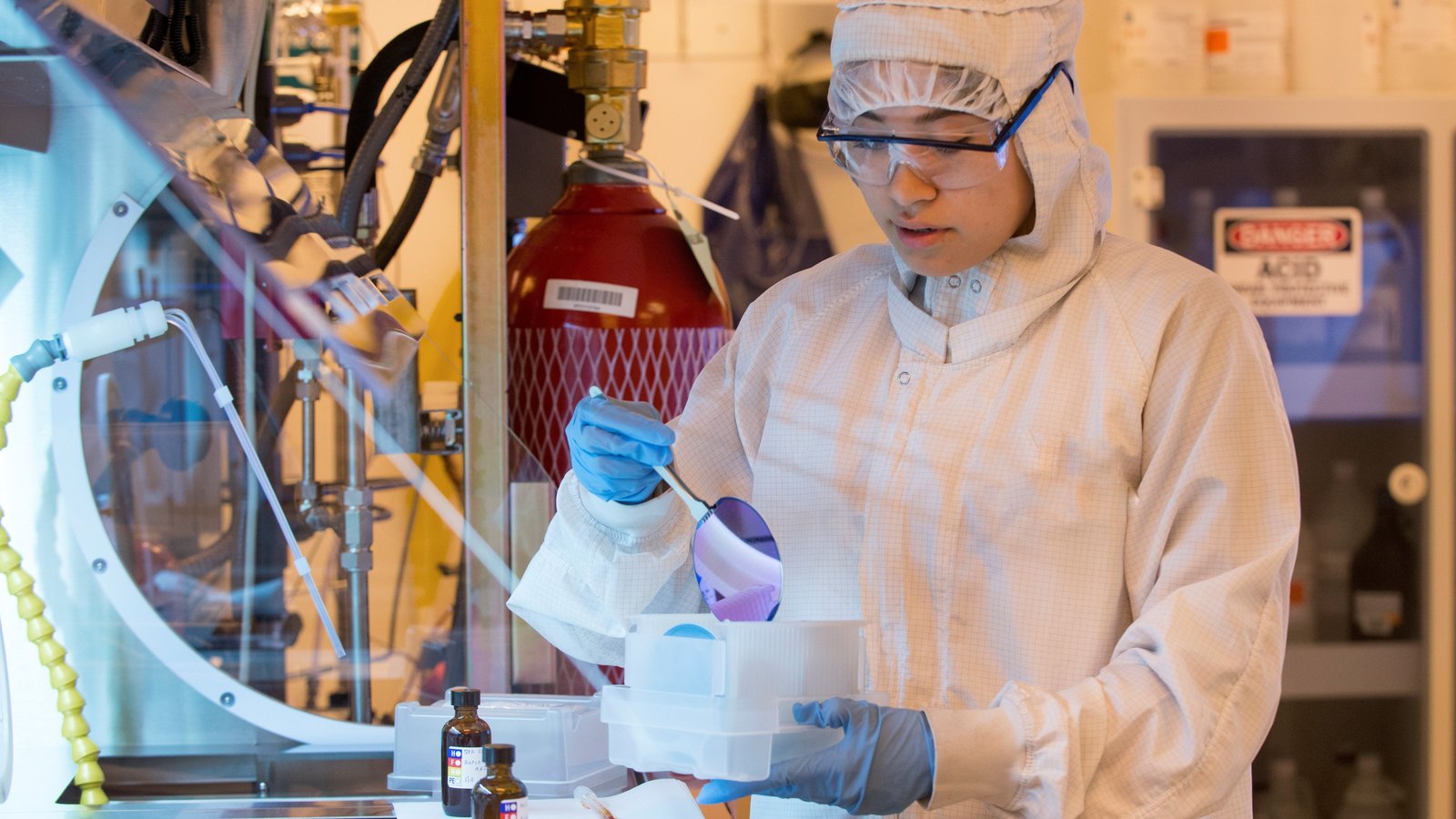
The IML was originally commissioned in 1998 to give students hands-on training for careers in semiconductor technologies. Today we run as both a research and a teaching lab, and we help industry partners with their R&D projects. From RCA silicon wafer cleaning to packaging, we cover the typical steps of microelectronics fabrication: thin film deposition, dry and wet etch processing, and photolithography. Our additive manufacturing suite supports research in printed and flexible electronics.
Our rooms in the Charles P. Ruch Engineering building: RUCH 107, the photolithography cleanroom; RUCH 105, metallization and etch; RUCH 106, additive manufacturing and characterization; and RUCH 109, where our wire bonders sit.
For characterization beyond our own metrology tools, we partner with the Boise State Surface Science Lab and the Boise State Center for Materials Characterization.
What we make and measure
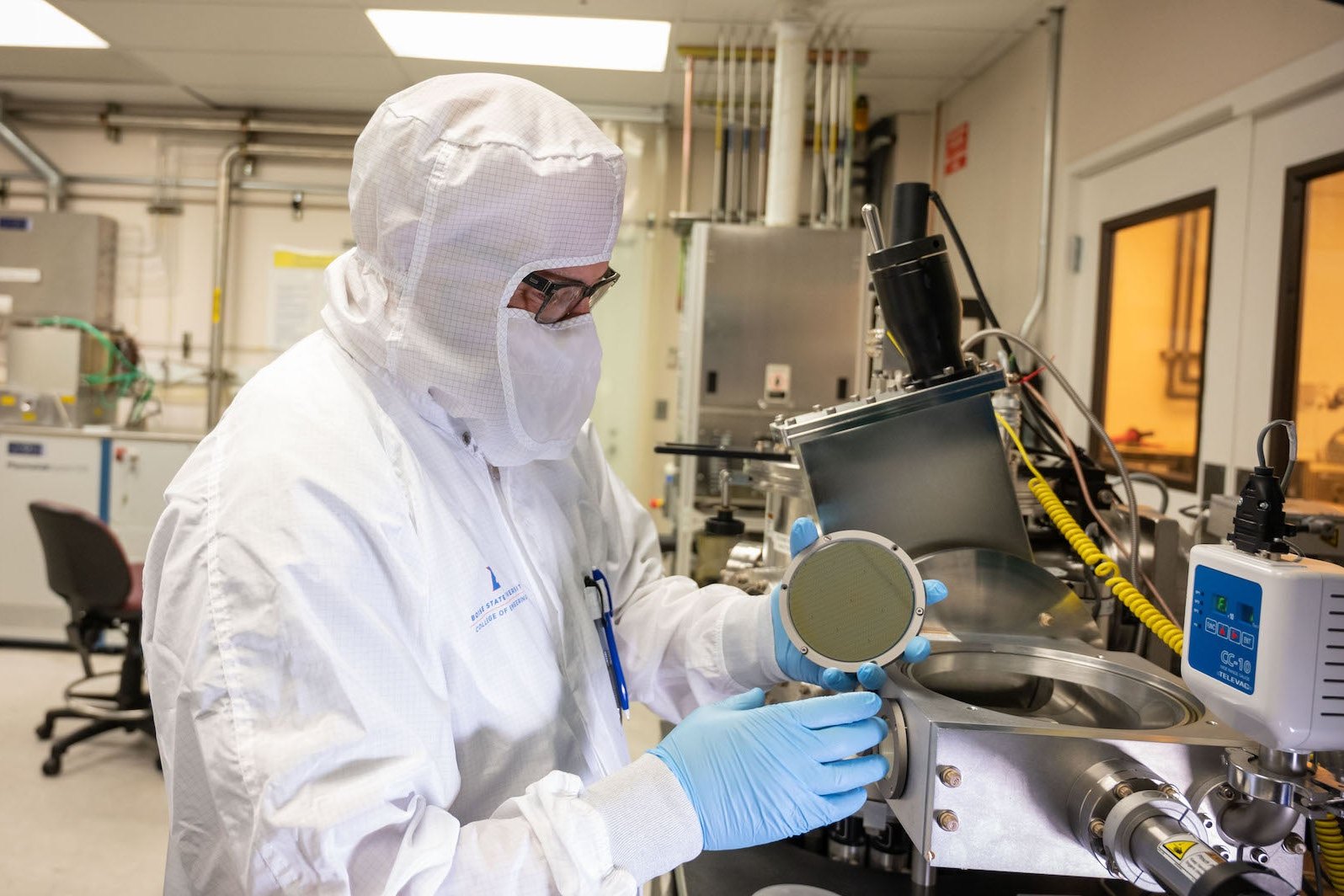
- Thin film deposition: two AJA Orion 5 sputtering systems with RF and DC sputtering, a TORR CrC-150 sputter coater, a CHA thermal evaporator and a PDS Labcoter parylene system.
- Etch: fluorine-based reactive ion etching on an Oxford PlasmaLab System 100 (Bosch, silicon cryo, oxide, nitride and metal etch), argon ion beam milling, and two oxygen plasma systems for descum, strip and cleaning.
- Photolithography and wet processing: Quintel Q-4000 and OAI 5000 aligners, JST acid, base and solvent benches, a spin coat station and a spin-rinse-dryer.
- Thermal processing: oxidation and N-type diffusion furnaces, rapid thermal processing and ovens.
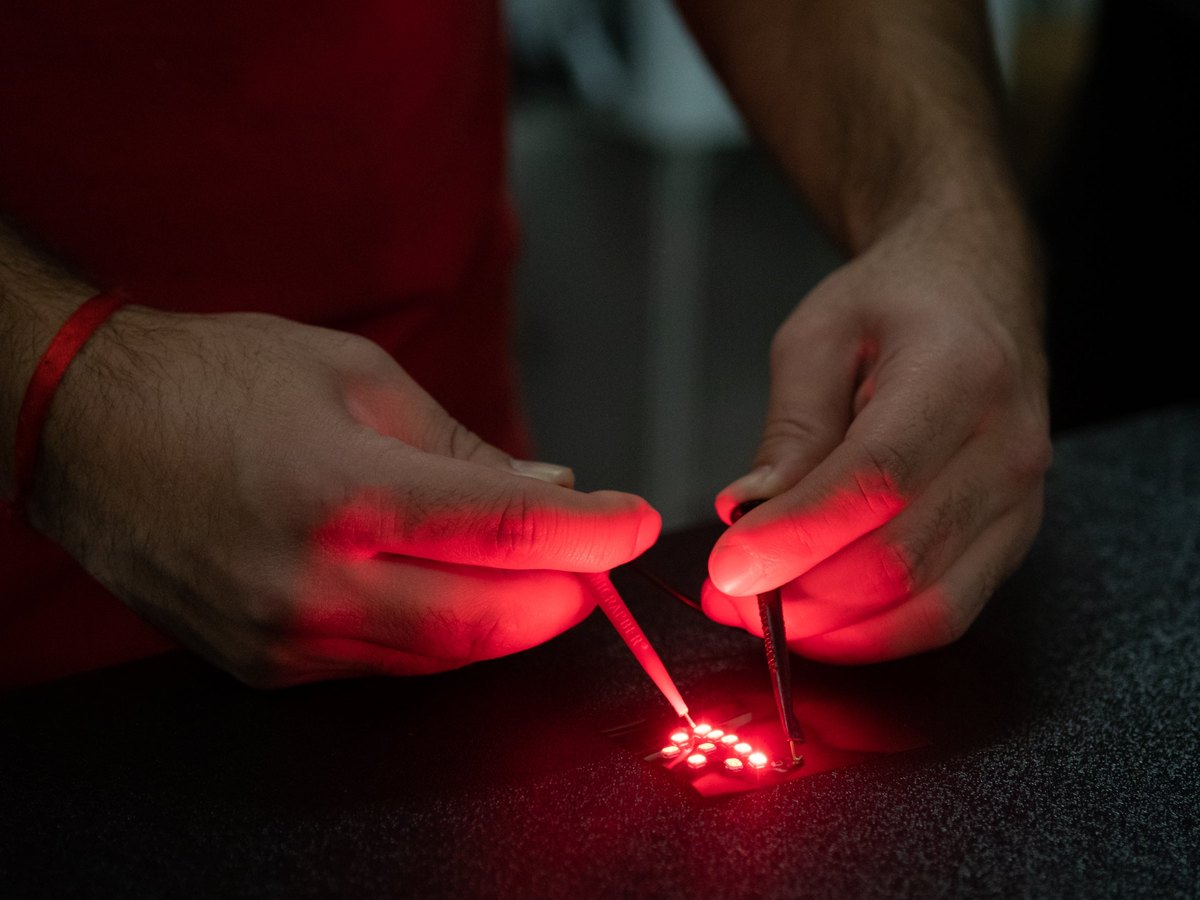
- Printed and flexible electronics: inkjet, aerosol jet and microdispense printing, PCB prototyping, and flash lamp sintering of nanoparticle materials.
- Metrology: stylus profilometry, spectroscopic ellipsometry, digital and optical microscopy, and four-point probe measurement of bulk and sheet resistance.
- Back-end processing: wafer dicing and wire bonding.
We keep standard procedures for simple wafer cleaning, RCA cleaning, and oxidation and diffusion.
A tour of the lab
Four minutes inside the IML, from the cleanroom's lithography and deposition tools to printed electronics, from Boise State's MER Institute.
Working with us
Boise State faculty, staff and students. Complete College of Engineering lab safety training, then our online IML course on the General IML SOP and its short quiz, and sign the IML user agreement. Your PI provides an account code for billing. After orientation with our staff, ask us for training on each tool you need.
Industry and outside researchers. If you are in industry, choose how you work with us: our staff can do the work for you, generally under an External Customer Users Agreement, or you can work in the lab yourself under a Boise State Facilities Use Agreement. Start with a note to Pete Miranda at [email protected]. Safety training and orientation follow.
Safety first. Many of our processes need specific protective equipment, and every tool has its own safety protocol, covered in orientation and training.
We are open Monday to Friday, 8 am to 5 pm.
Rates
We charge by the hour, at three rates. Most listings show all three, grouped listings give each tool's rate in their description, and Rate B is the listed price.
- Rate A, University: anyone employed by or holding an appointment at Boise State University, including Boise State federally sponsored projects.
- Rate B, Federal/Academic non-Boise State: federally funded sponsored research by non-Boise State entities, and academic users at other institutions doing academic research. An Engineering Support Charge of $65 per hour applies.
- Rate C, Non-academic and industry: any non-academic entity, including national labs. Industry-funded research is charged at Rate C. An Engineering Support Charge of $100 per hour applies.
Our photolithography suite has one rate that covers five tools. Rates are from our fee schedule of December 1, 2025.
The CEBS Voucher Program subsidizes use of the FaCT Core for research on biomedical devices, sensors and systems, to gather preliminary data for a future NIH proposal.
Contact & visiting
Before your first session
Boise State users complete College of Engineering lab safety training and our IML orientation, then ask us for training on the tools they need. Researchers from other institutions and companies start with a note to [email protected].
Get in touch
Find us
Boise State University
Charles P. Ruch Engineering (RUCH), rooms 105, 106, 107 and 109
1375 University Dr., Boise, ID 83725, USA
Get directions