A team member at LabGiant drafted this page. It was written from your own page at boisestate.edu/coen-bscmc/xeml.
It is not listed. It will not show up in search or browse, and only someone with the link can open it. Once you claim it, your facility takes its place on the Boise State University page.
Want changes, or want it taken down? Email [email protected].
Boise State University
X-ray and Electron Microscopy Laboratory (XEML)
Electron microscopy, microprobe and X-ray analysis of materials, from crystal structure to chemistry.
1910 University Drive, Boise, ID 83725, USA
About the lab
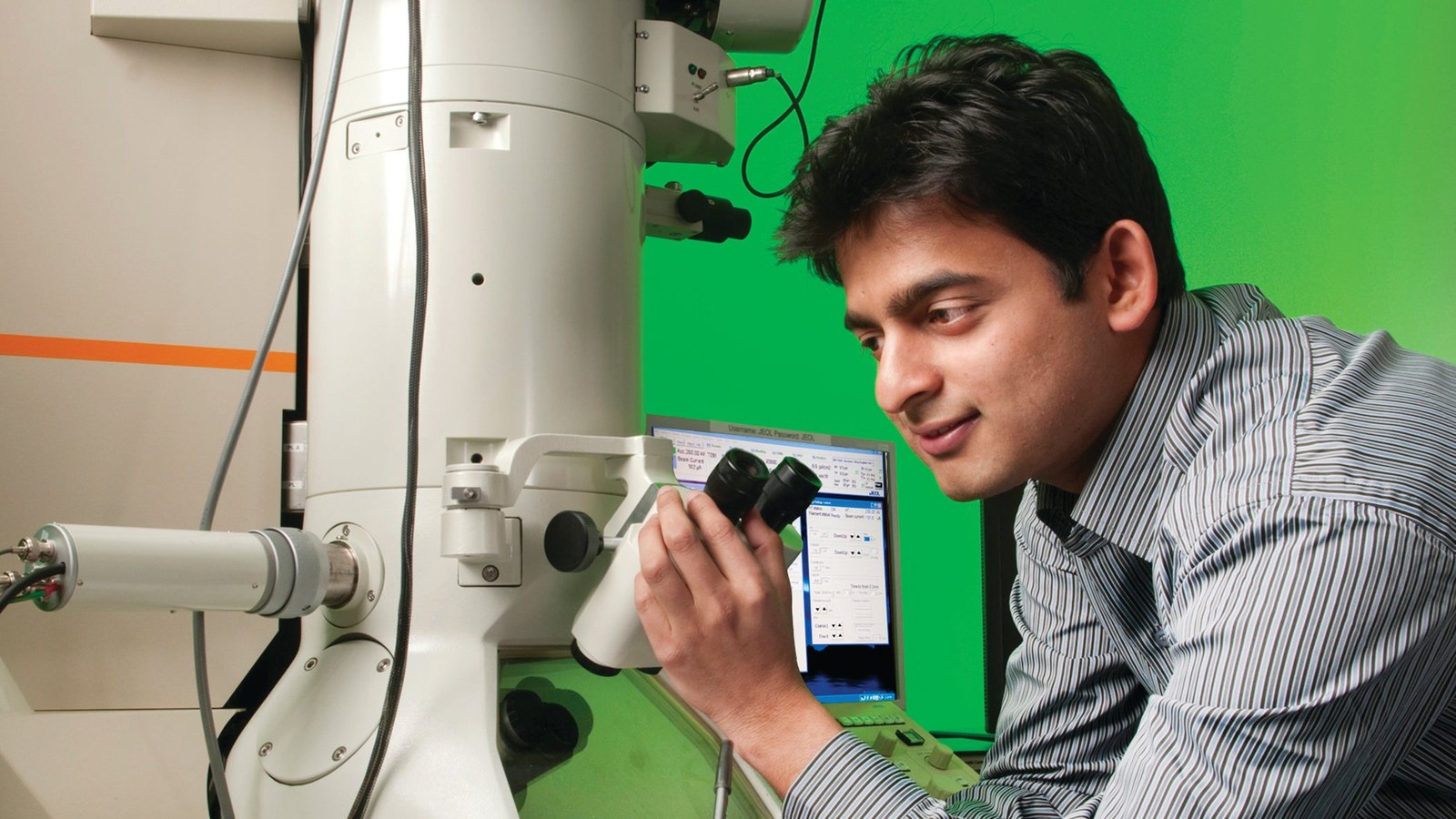
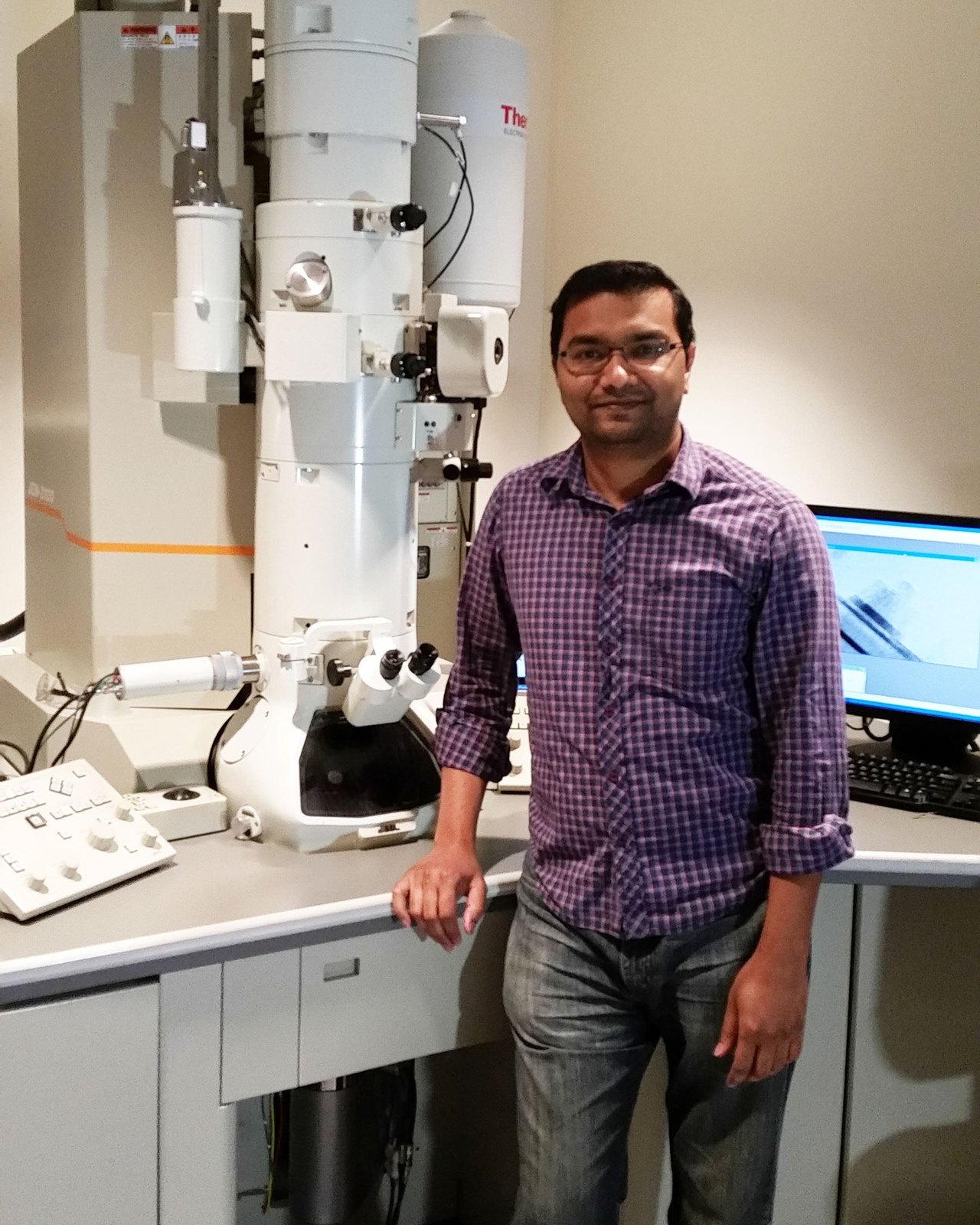
The X-ray and Electron Microscopy Laboratory (XEML) is a branch of the Boise State Center for Materials Characterization (BSCMC) and a user facility in Boise State's Fabrication, Characterization, and Testing (FaCT) Core. We support research at Boise State and across the broader academic and industrial communities with instruments, sample preparation and technical support for structural, microstructural and chemical analysis of materials.
Our instruments support work in alloy design, nuclear materials, semiconductors, thin films and optical fibers, as well as flexible electronics, battery materials, polymers, biomedical applications, agriculture, wastewater, food quality, paleontology, mineralogy, and even tectonic processes like the evolution of the Himalayas.
The Idaho State Board of Education established the BSCMC in August 2006. It runs as a campus recharge center, open to campus and community users.
What we measure
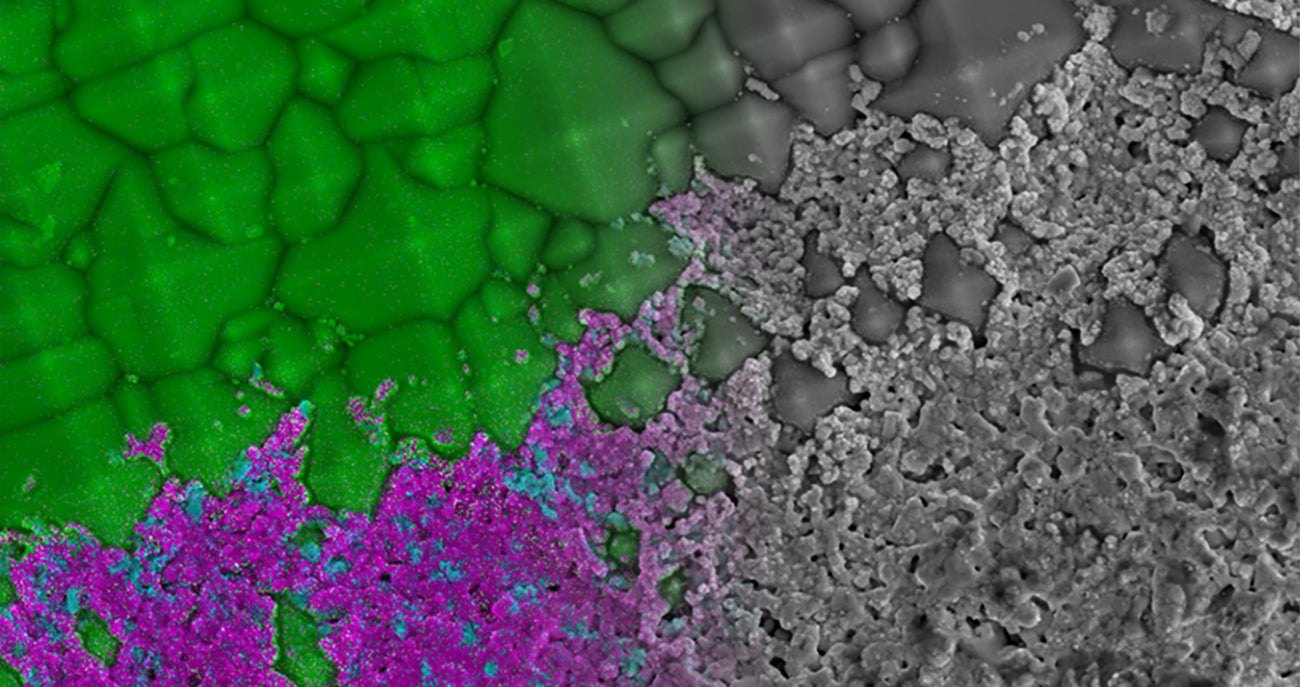
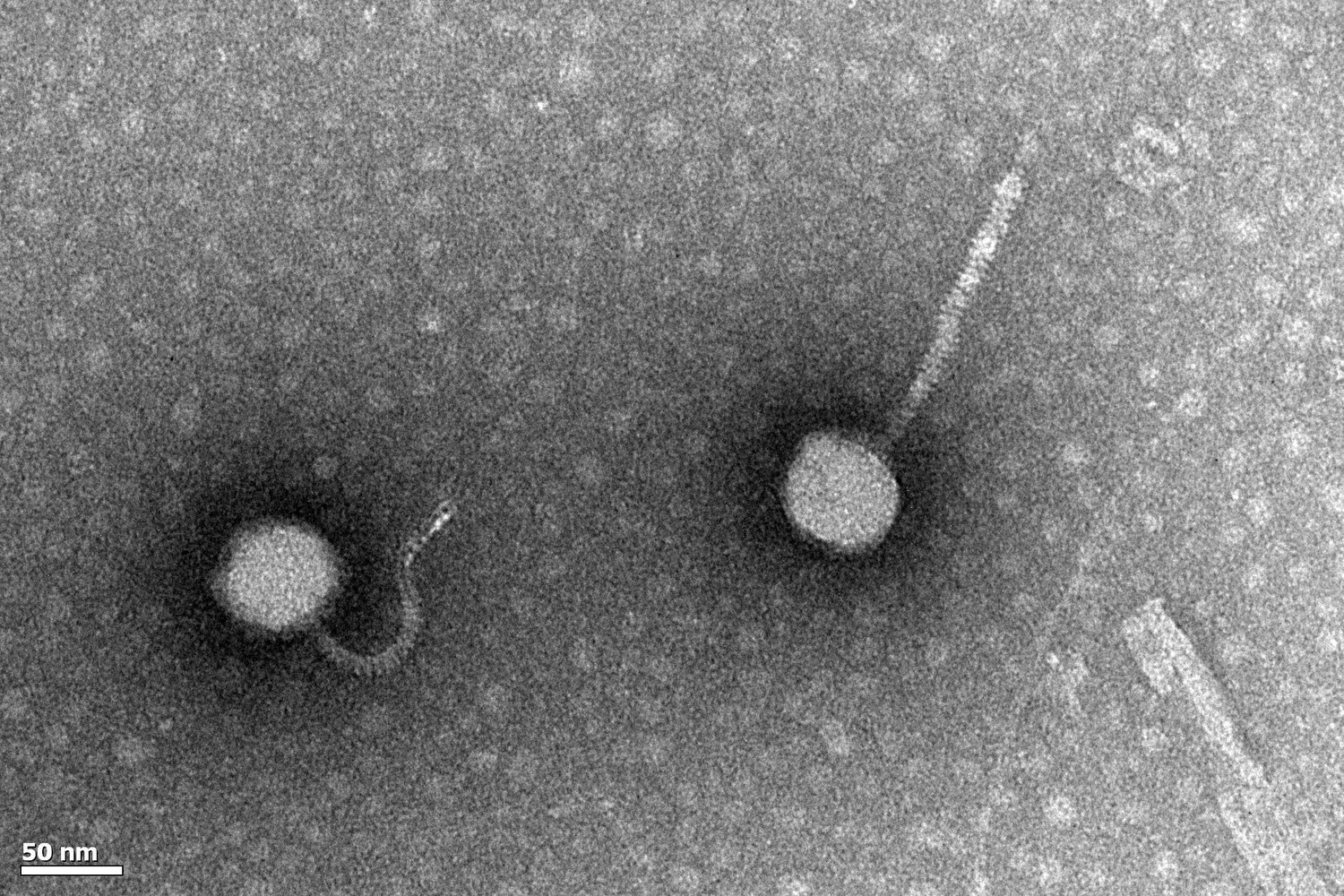
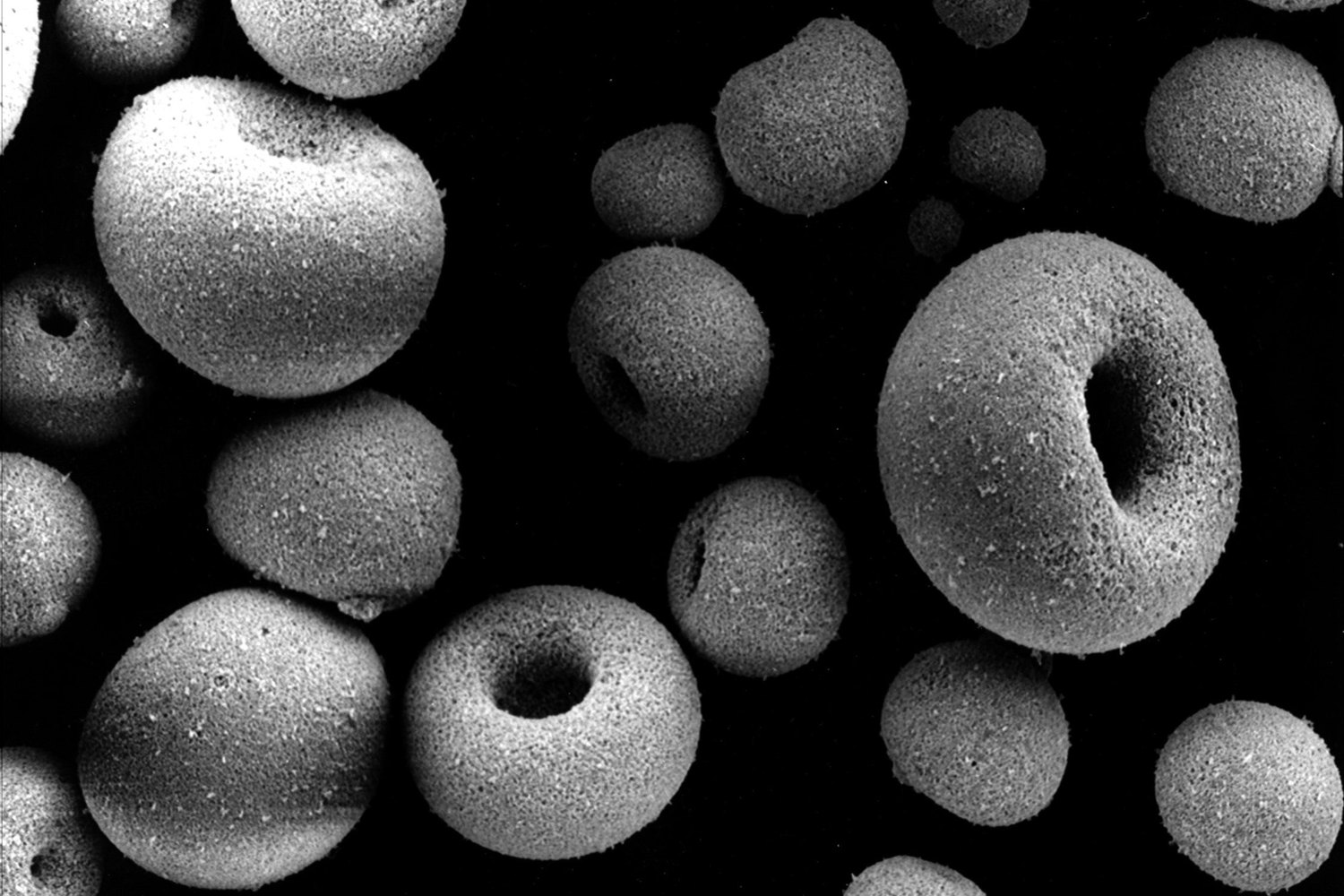
- Imaging: transmission electron microscopy (TEM and STEM), scanning electron microscopy (field emission and variable pressure SEM) and light microscopy.
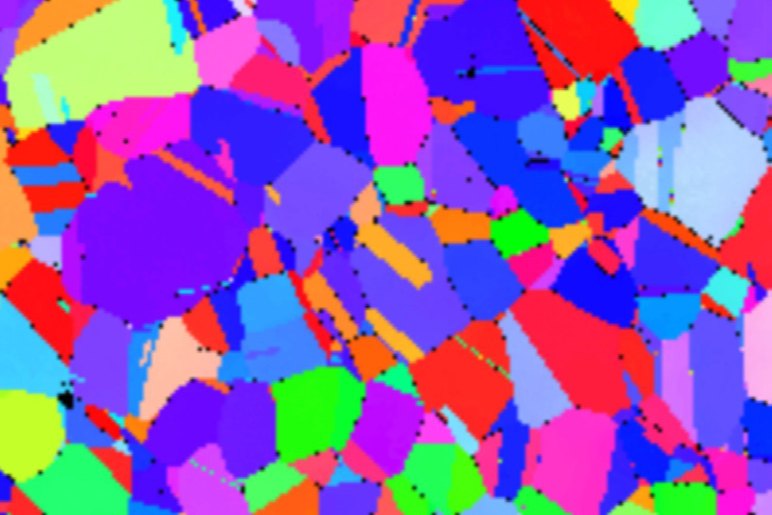
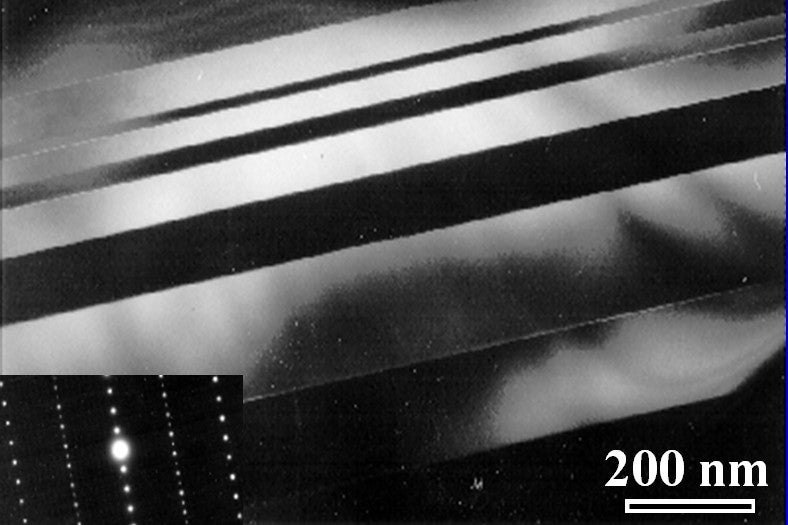
- Crystallography: X-ray diffraction (XRD), electron diffraction in the TEM, including precession diffraction and crystal orientation and phase mapping, and electron backscatter diffraction (EBSD).
- Chemical analysis: energy dispersive X-ray spectroscopy (EDS), wavelength dispersive spectroscopy (WDS), electron microprobe analysis (EPMA) of elements from B to U, electron energy loss spectroscopy (EELS) and X-ray fluorescence (XRF).
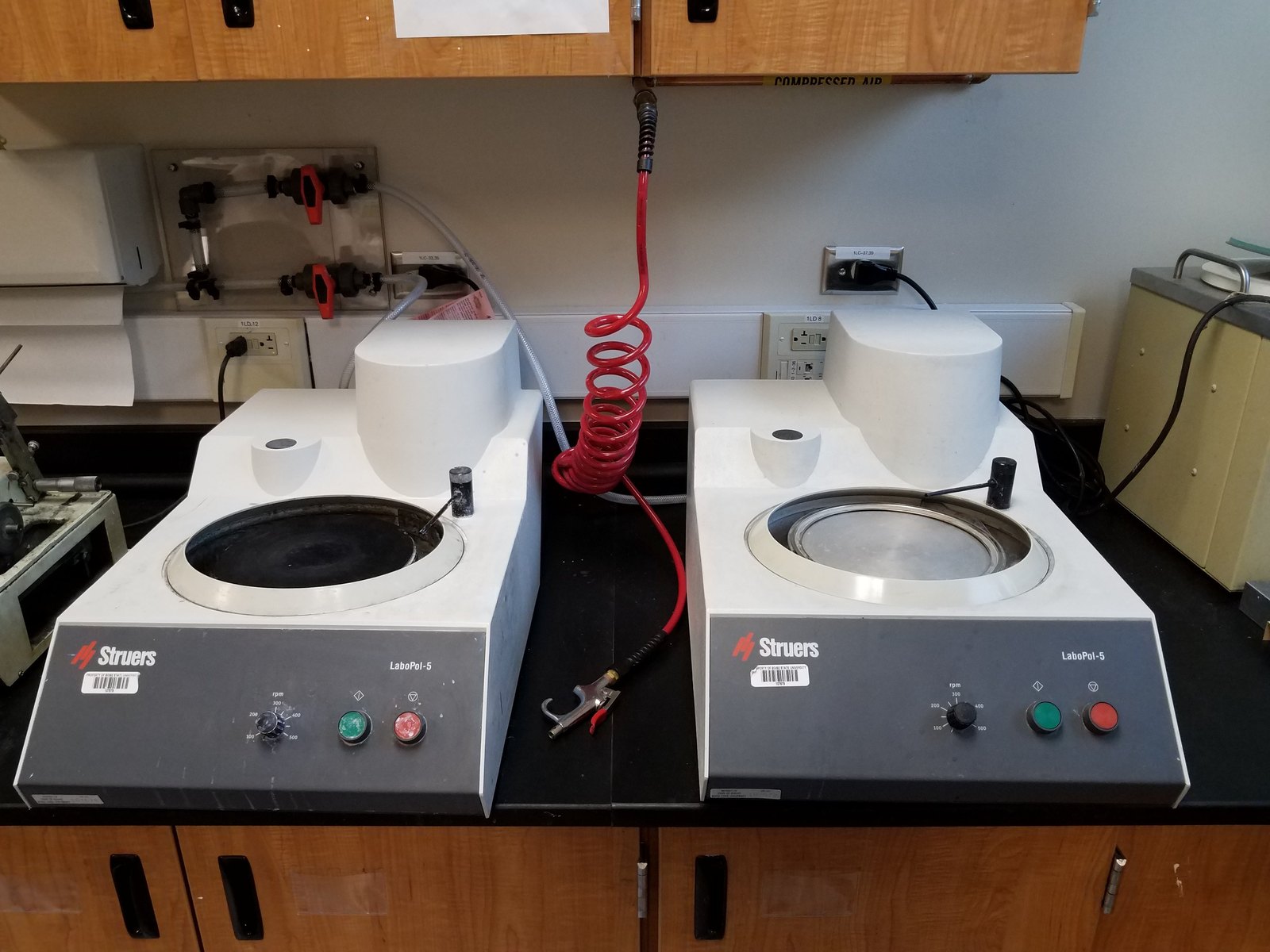
- Sample preparation: cutting, grinding and polishing, ultramicrotomy, ion beam thinning, ion slicing, jet polishing, dimple grinding, disc punching and cutting, and gold or carbon coating for optical and electron microscopy.
Working with us
Tell us about your project. Email [email protected] or call +1 208-426-4646 about your samples and the instrument you need. Researchers from Boise State, other universities and non-profits, and industry are all welcome.
Train with us. Trained users reserve instrument time themselves. Boise State users need their PI's approval and a funding source before booking.
Or send us your samples. You can drop off samples for imaging instead of running the instrument yourself.
Companies work with us under Boise State's Recharge Center Services Agreement.
Rates
Fees are per hour unless a listing says per sample or per pattern, at three rates:
- Boise State (A): anyone paying with Boise State University funds, including sponsored projects, which add their own indirect cost (F&A) rate.
- Academic and non-profit (B): other universities, government agencies and other non-profit organizations.
- Commercial (C): companies and individuals.
Each instrument and service lists its published rates, with the B rate as the listed price. Projects on biomedical devices, sensors and systems can apply to the CEBS Voucher Program, which subsidizes use of the FaCT Core.
Acknowledging the lab
Boise State's CEBS COBRE gives this example acknowledgment for work that uses the FaCT Core:
"This project [or research] utilized resources [or cite specific instruments, tools, or services] in the Boise State University FaCT Core Facility, RRID: SCR_024733, which receives support from the National Institutes of Health [NIH] under the Institutional Development Awards [IDeA] Program of the National Institute of General Medical Sciences [NIGMS] via grants #P20GM148321 [CEBS COBRE] and P20GM103408 [Idaho INBRE]. This [poster, presentation, or paper] and its contents are solely the responsibility of the authors and do not necessarily represent the official views of the NIH."
Contact & visiting
Before your first session
Email [email protected] about your samples and the instrument you need, and ask us about training. Trained users book instrument time themselves, and you can also drop off samples for imaging. We are open Monday to Friday, 8 am to 5 pm.
Get in touch
Find us
Boise State University
Micron Engineering Center (MEC), room 113
1910 University Drive, Boise, ID 83725, USA
Get directions