A team member at LabGiant drafted this page. It was written from your own page at gladstone.org/science/behavioral-core.
It is not listed. It will not show up in search or browse, and only someone with the link can open it. Once you claim it, your facility takes its place on the Gladstone Institutes page.
Want changes, or want it taken down? Email [email protected].
Gladstone Institutes
Behavioral Core
Nearly 70 rodent behavior tests, run for you: from the study plan to a presentation-ready data package.
1650 Owens Street, San Francisco, CA 94158
The core
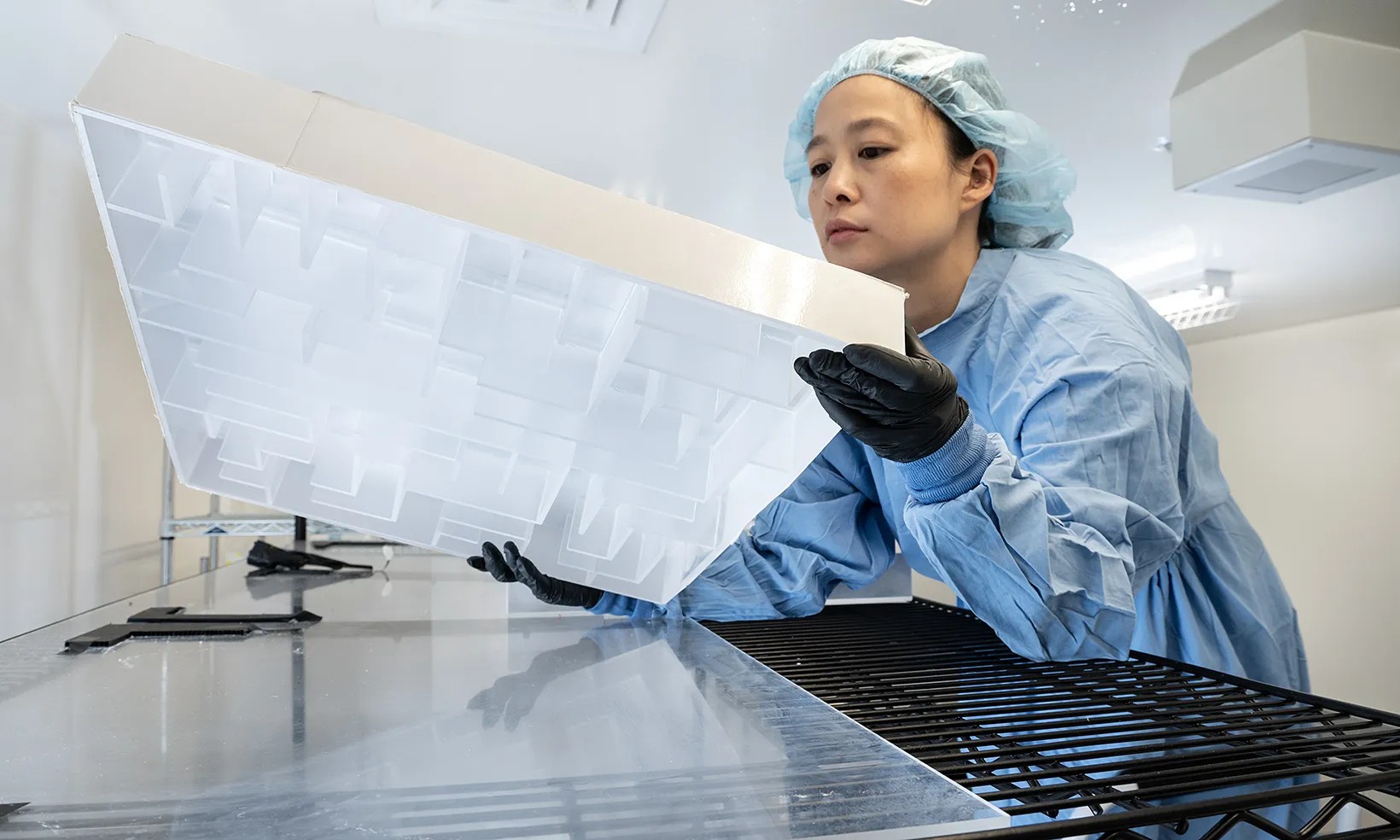
The Behavioral Core is a full-service core. You bring a mouse model and a question; the core designs the test battery, runs the tests and analyzes the data. There is no instrument to book and no training to take.
The core serves researchers at Gladstone, UC San Francisco, other nonprofit research institutions and companies. It offers nearly 70 tests across learning and memory, anxiety and depression, sensorimotor function, social behavior and innate behaviors, on equipment few individual labs keep, run by experienced staff.
Together with colleagues in clinical programs, the core also studies how the impairments of patients with brain disorders relate to those in rodent models, to help develop better tests and treatments.
How a project runs
1. Design. You describe the model, the intervention and what you want to learn. The core reviews the literature and its own database, then builds a battery for that model and that question, including the order of the tests.
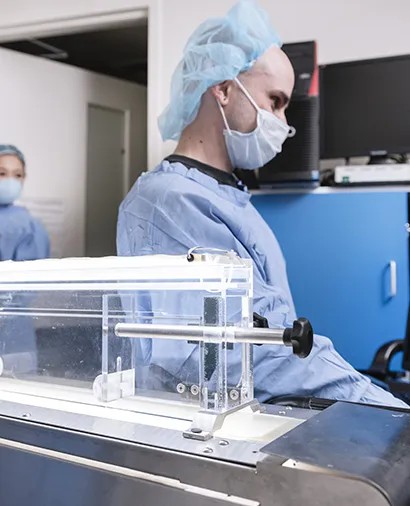
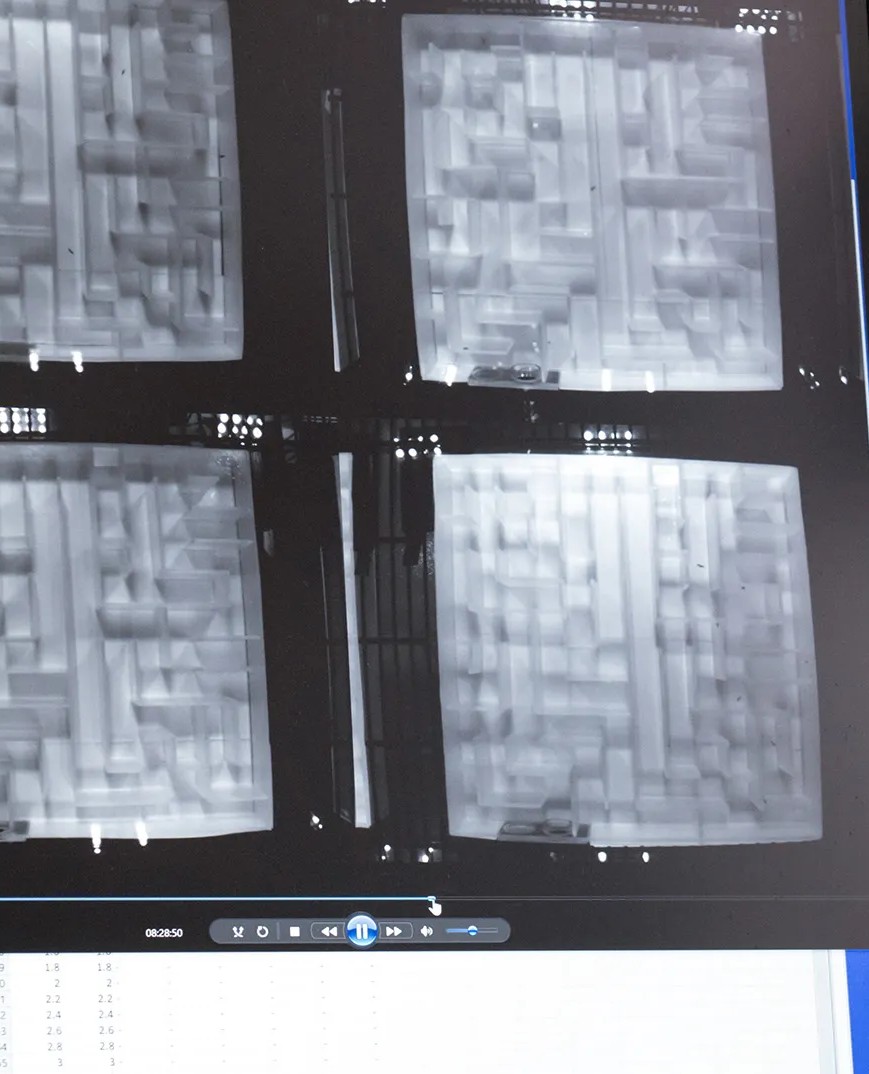
2. Testing. The core's staff run the battery on the core's own equipment, with the same protocol for every group.
3. Analysis and publication. Statistical analysis, interpretation and a presentation-ready data package, then help preparing the manuscript or report.
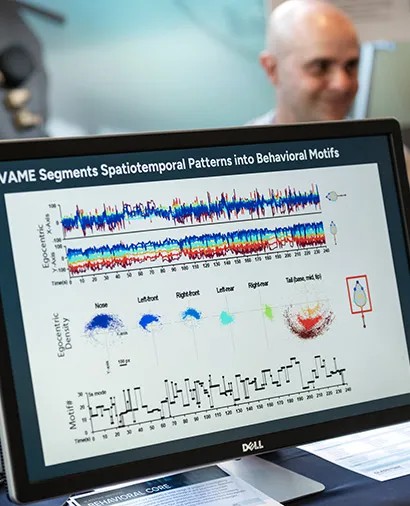
What the core can measure
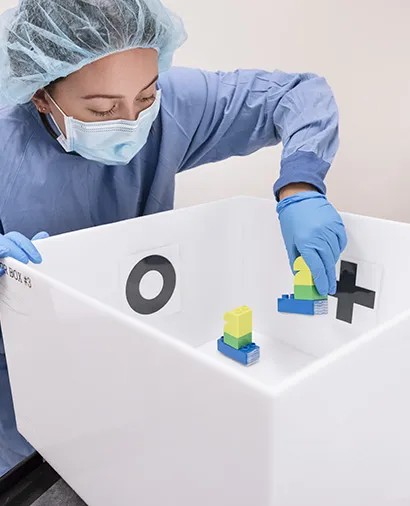
Learning and memory. Barnes maze, Morris water maze, novel object and place recognition, cued and contextual fear conditioning, passive and active avoidance, conditioned place preference, five-choice serial reaction time, paired associates learning, pattern separation and more than a dozen other tasks.
Anxiety and depression. Elevated plus maze, light/dark box, novelty-suppressed feeding, forced swim, tail suspension, sucrose preference, and restraint, chronic intermittent and social defeat stress.
Sensorimotor function. Open field, rotarod, balance beam, pole test, climbing cylinder, gait analysis, grip strength, inverted grid hang, running wheels, forced exercise, startle and prepulse inhibition, hot plate, tail flick, visual cliff and olfactory habituation.
Social behavior. Social approach, novelty, memory and recognition, direct interaction, resident intruder, emotional contagion, mating, pup retrieval and transmission of food preference.
Innate behaviors. Nesting, burrowing, marble burying, self-grooming, ultrasonic vocalization and developmental milestones.
Seizure thresholds, and custom tests developed or adapted for a question the battery does not yet cover.
Science that ran through the core
Papers that used the core span Alzheimer's disease, epilepsy, Parkinson's disease, traumatic brain injury and Hunter syndrome, a lysosomal storage disease. A few recent examples:
Neurons require glucose uptake and glycolysis in vivo. Cell Reports, 2023.
Enhancing GAT-3 in thalamic astrocytes promotes resilience to brain injury in rodents. Science Translational Medicine, 2022.
TAU ablation in excitatory neurons and postnatal TAU knockdown reduce epilepsy, SUDEP, and autism behaviors in a Dravet syndrome model. Science Translational Medicine, 2022.
Iduronate-2-sulfatase transport vehicle rescues behavioral and skeletal phenotypes in a mouse model of Hunter syndrome. JCI Insight, 2021.
The Publications tab lists more, each with the service it used.
Start a project
Write early. The best time to involve the core is while the study is still a plan.
Pick a service and press Request service. Describe the model, the intervention and what you want to learn. Jeff or Iris will come back to you to set up a consultation and a quote. Agreed projects are scheduled through iLab.
Pricing. As part of an independent nonprofit, the core's rates recover the cost of the work and come in below market. Ask for a quote with your plan.
Contact & visiting
Before your project
Send the core your mouse model, the intervention and what you want to learn. The earlier the core joins the planning, the better. It serves researchers at Gladstone, UCSF, other nonprofit research institutions and companies.