A team member at LabGiant drafted this page. It was written from your own page at mmpc.ucdavis.edu.
It is not listed. It will not show up in search or browse, and only someone with the link can open it. Once you claim it, your facility takes its place on the UC Davis page.
Want changes, or want it taken down? Email [email protected].
UC Davis
MMPC Live at UC Davis
Metabolic, physiological and behavioral phenotyping of living mice, for diabetes and obesity research.
About MMPC Live
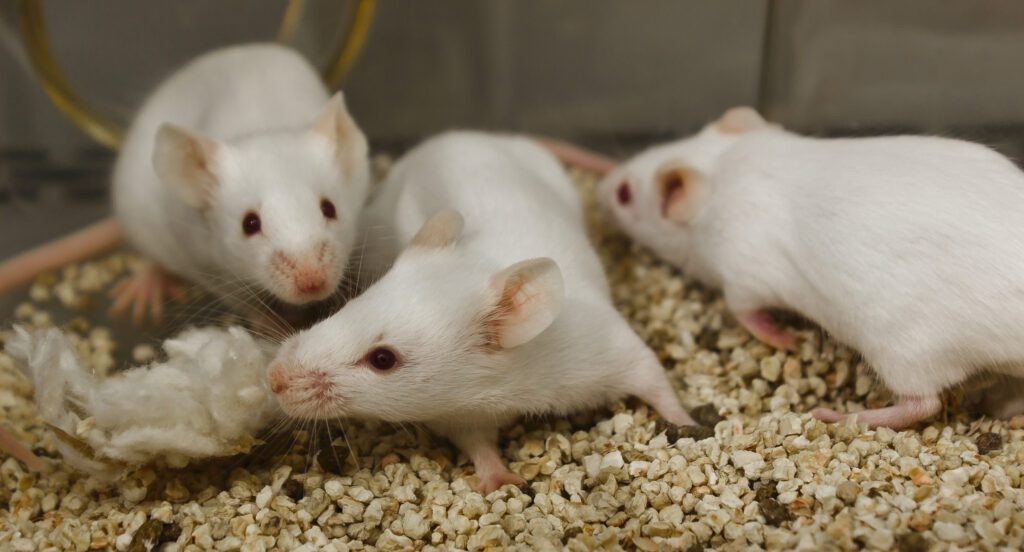
MMPC Live at UC Davis runs metabolic, physiological and behavioral tests on living mouse models of diabetes, obesity and related metabolic diseases, for academic and commercial researchers, on a fee-for-service basis.
Metabolic disease research often depends on carefully controlled in vivo studies that connect molecular findings with whole-animal physiology, and on specialized tests a single lab rarely has. Our scientists consult with you on experimental design, test selection, outcome measures and data interpretation, and our staff run the studies in our vivarium.
We are a center of the MMPC Live national consortium, funded by the NIH's National Institute of Diabetes and Digestive and Kidney Diseases (NIDDK), where the protocols behind our tests are published. At UC Davis we work alongside the Mouse Biology Program and the Mutant Mouse Resource and Research Center.
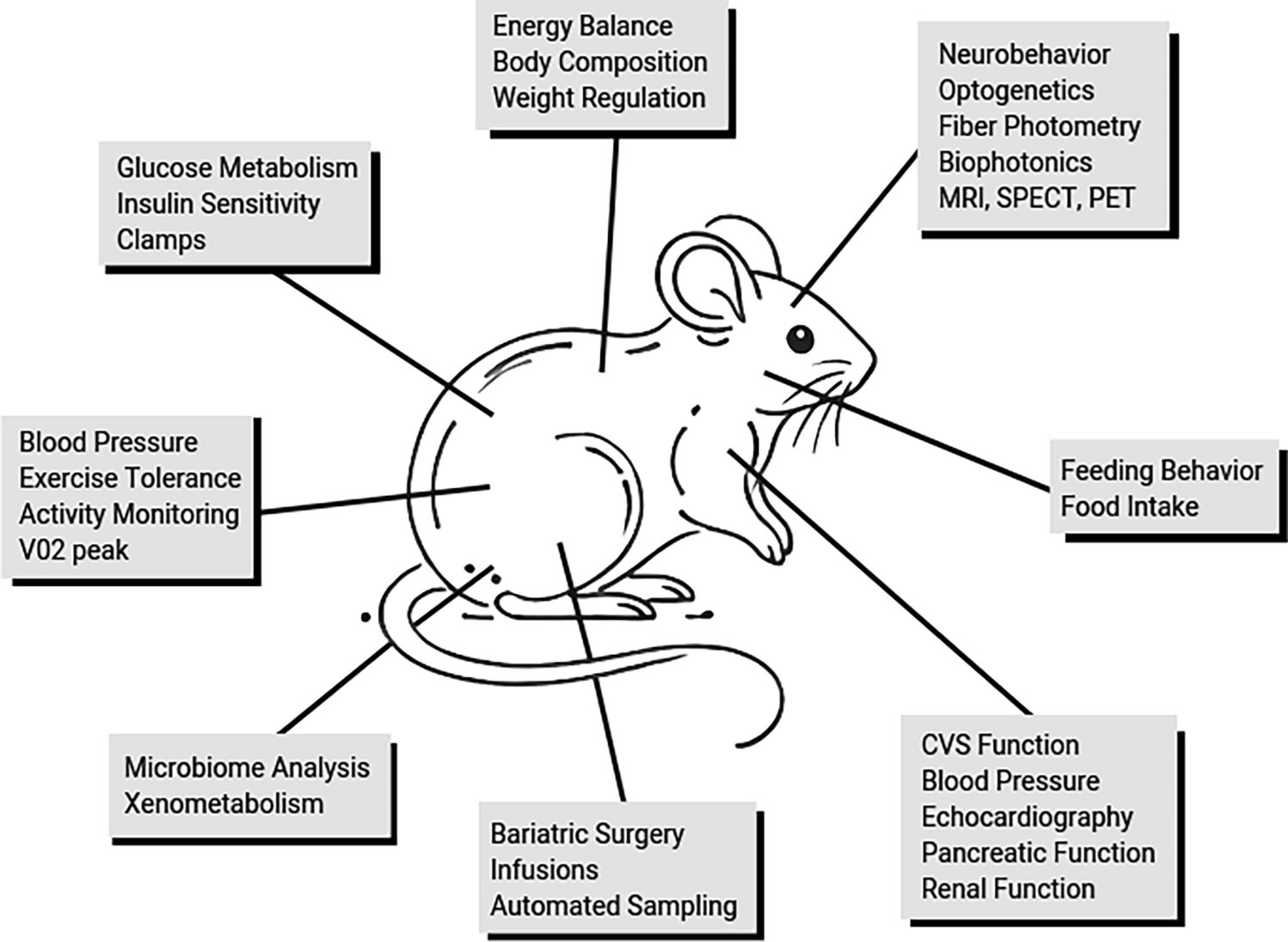
Four cores, one study
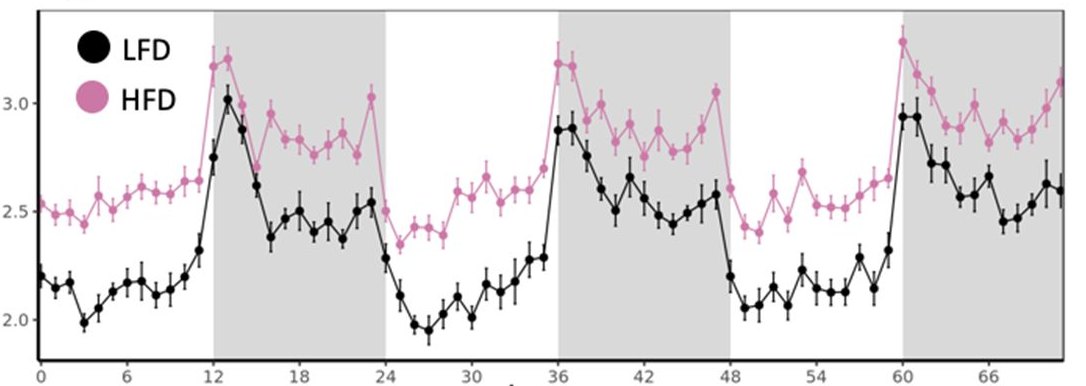
Metabolism and Metabolic Health. Metabolic rate and whole-body substrate use, glucose tolerance and insulin sensitivity, metabolomics and xenometabolomics, the gut microbiome, hepatic triglyceride production, imaging and body composition, food intake and food preference, energy balance and endocrinology. Led by Sean H. Adams, PhD, and Peter J. Havel, DVM, PhD.
Physiology and Behavior. Eye, kidney, heart and gut function; the signs of diabetic peripheral neuropathy, from nociception to gait and wound healing; learning, memory, sociability and anxiety; strength, balance and gait; exercise and sleep. Led by Louise Lanoue, PhD, and Jill L. Silverman, PhD.
Animal Care. Importation, colony management and housing in specific pathogen free, gnotobiotic and ABSL-3 conditions; creation and rederivation of mutant mice, including by CRISPR; reanimation of cryopreserved models from the MMRRC; a Microsurgery Suite with two expert microsurgeons for bariatric and implant models; and pathology with the Comparative Pathology Laboratory. Led by Kristin Grimsrud, DVM, PhD.
Administration. Customer support, consultation with our research scientists, and the records of every study. Led by Center Director Kent Lloyd, DVM, PhD.
How a study works
- Write to our Project Navigator at [email protected] with your mouse model and what you want to learn.
- Plan it with our scientists: which tests, how many mice, which outcome measures.
- Send us your mice, or order a model from the MMRRC or the KOMP Repository. The Animal Care Core imports, acclimates and quarantines them, and can produce male and female cohorts for testing.
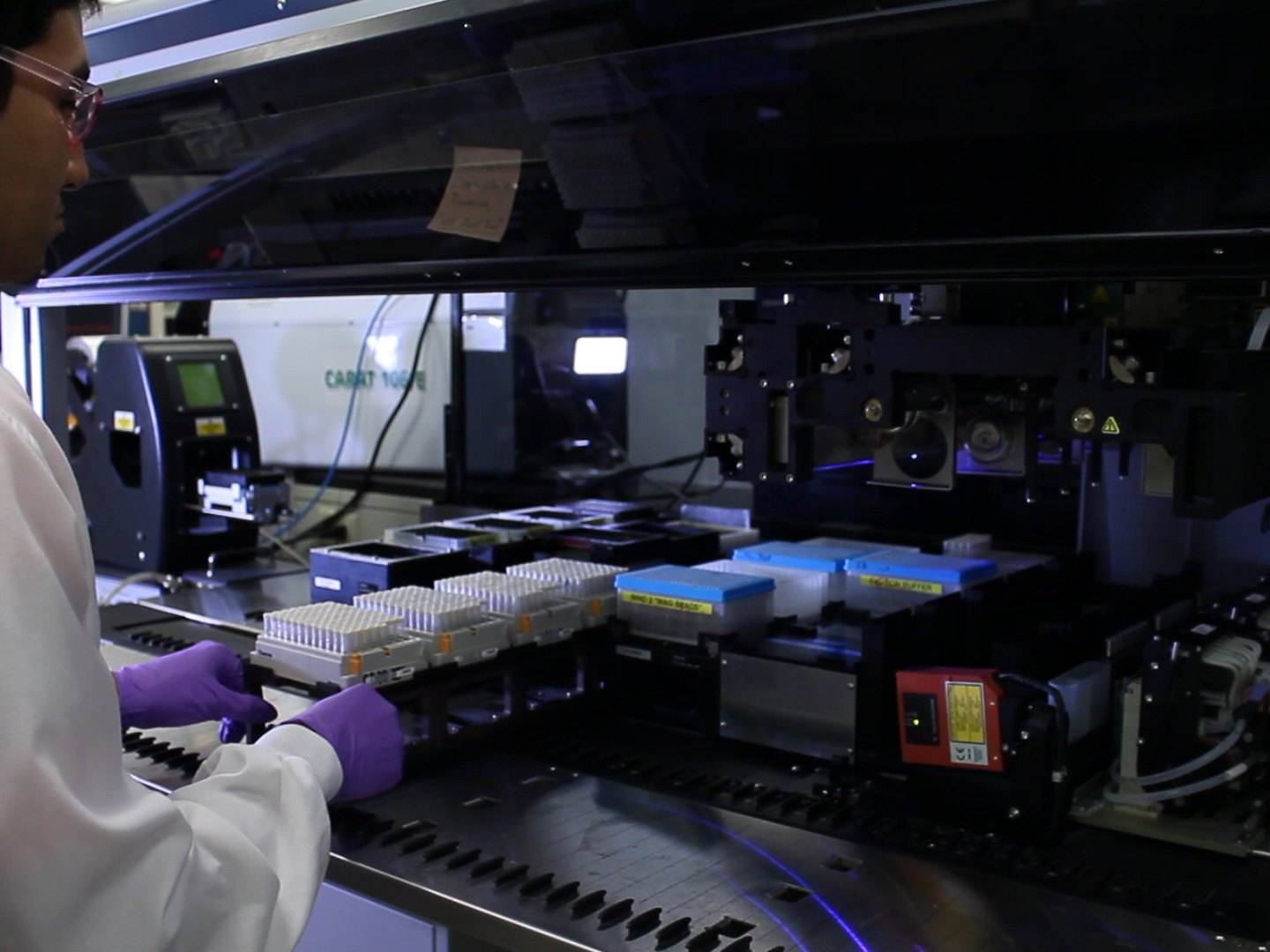
- We run the tests and help you analyze and interpret the data.
Surgically manipulated models and genetically engineered lines can also be shipped from our approved vendor barrier vivarium directly to your institution's vivarium.
From labs to lives
Center director Kent Lloyd on how mouse models link genes to diabetes, heart disease and cancer, from UC Davis.
Rates
Prices sit on each test under Services. Where a test has two rates, the University of California rate applies to UC recharge accounts, and Everyone else covers all other institutions. Tests marked Quote on request are priced for your study, and so is industry work: write to [email protected].
NIH support funds part of the Center, which keeps our services at a reasonable cost for academic and commercial researchers.
Citing MMPC Live
If MMPC Live supported your work, please acknowledge it in your papers:
"Financial support for this work was provided by the Mouse Metabolic Phenotyping Center (MMPC) Live at UC Davis (MMPC Live, RRID:SCR_015357, mmpc.ucdavis.edu) under the MMPC Live Program, NIH/NIDDK Grant #U2CDK135074."
Contact & visiting
Before you send mice
Write to our Project Navigator first, and we will plan the study with you. Mice come in through the Animal Care Core, which handles importation, acclimation and quarantine.
Get in touch
Find us
UC Davis
Davis, California