McGill University
Plasma Chemical Processing Laboratory
3610 Rue University
Lab Overview
The Plasma Chemical Processing Laboratory (PCPL) at McGill University, led by Associate Professor Pierre-Luc Girard-Lauriault, specializes in low-temperature plasma applications for chemical engineering challenges. The lab focuses on surface modification through plasma polymerization, enhancing materials like hydrogels and textiles for improved cell attachment and differentiation. They also explore plasma-chemical synthesis for cleaner hydrocarbon reforming, plasma-activated water for agricultural and biomedical applications, and plasma treatments to improve monocyte cell culture and protein interactions on fluoropolymer surfaces. By advancing plasma-based technologies, PCPL aims to develop sustainable and innovative solutions for various industries.
SURFACE MODIFICATION USING PLASMA
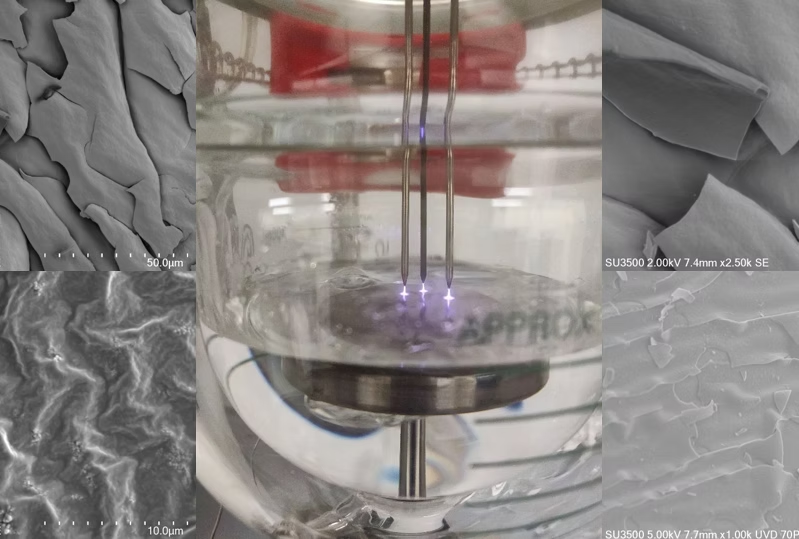
Plasma polymerisation can be used to deposit thin functional organic films on the surface of various materials, including fluoropolymers, textiles and hydrogels, for creating a controlled environment for cell attachement, proliferation and differentiation.



- SURFACE MODIFICATION BY PLASMA POLYMERISATION - SURFACE MODIFICATION OF TEXTILE - CELL PROLIFERATION STUDIES ON FEP SURFACES


- UNDERSTANDING PROTEIN ATTACHMENT ON FEP SURFACES - MONOCYTE CELL CULTURE ON PLASMA TREATED FEP SURFACES

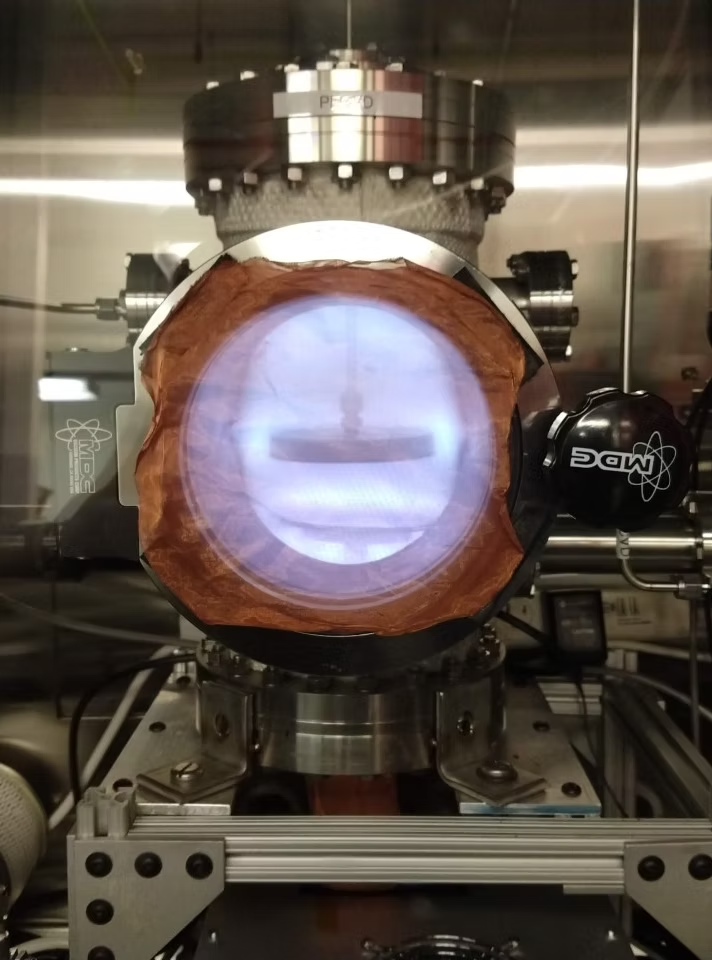
PLASMA-CHEMICAL SYNTHESIS
GHG free hydrocarbon reforming
Conventional methods of hydrocarbon reforming, like steam reforming, produces an important amount of greenhouse gases. Our research involves the study of the reaction dynamics of hydrocarbon reforming with the use of non-thermal plasma (NTP) which could be a potential clean method of chemical synthesis of fine chemicals in the coming years.
PLASMA-ACTIVATED WATER
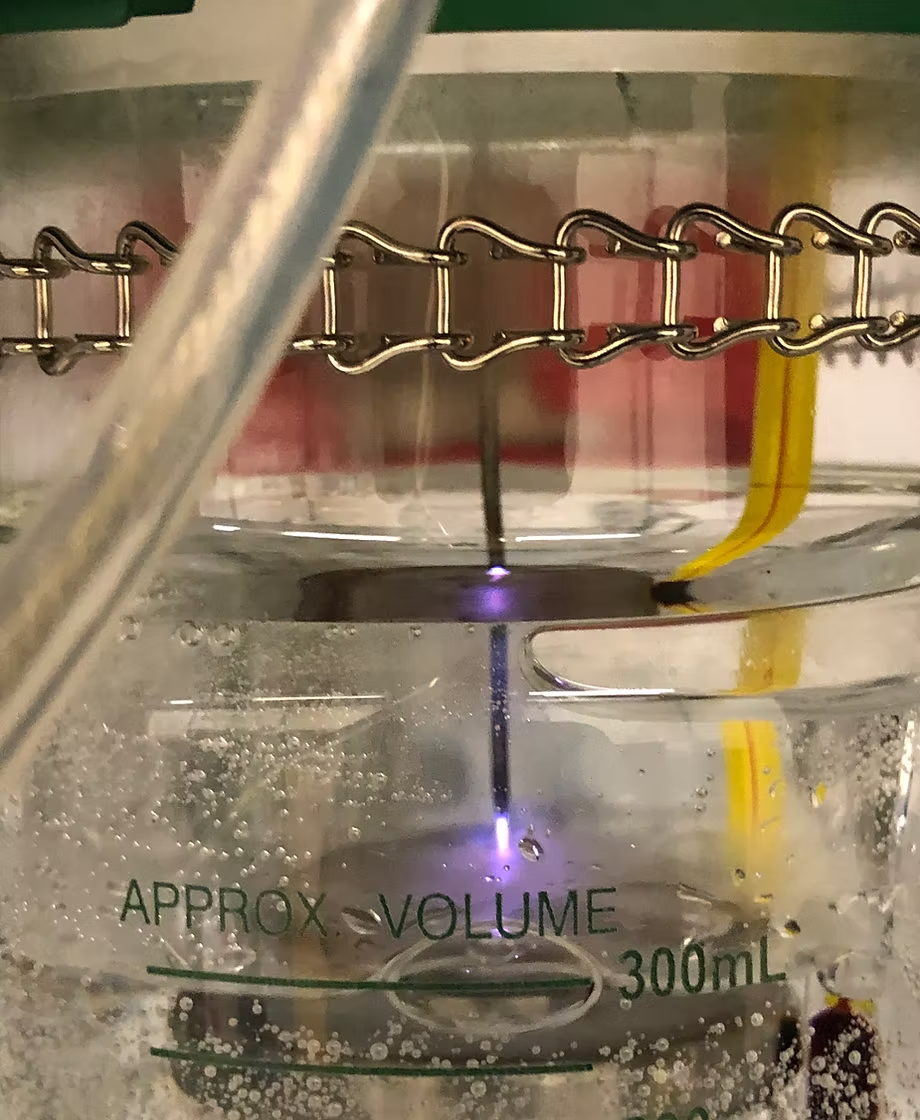
A versatile to produce clean, nitrogen-rich water.
Plasma-activated water is a new technology which can be used in the biomedical, agricultural, and wastewater field. A plasma discharge on top of the water will break the air molecules to reactive species, which will then migrate in the water. Our goal is to maximize the production of nitrogen oxides, which are necessary for plant growth.
Contact the facility
Talk to the team about your research, access, or a visit.
Find us
McGill University
3610 Rue University