McGill University
Yargeau Laboratory - Controlling Contaminants of Concern
3610 Rue University
Lab Overview
The presence of xenobiotics, such as engineered perfluoroalkyl and polyfluoroalkyl substances (PFAS), pesticides, flame retardants, plasticizers, nanomaterials, pharmaceuticals and illicit drugs in the environment has raised concerns about the impact of these contaminants on the environment and on public health.
However, there are still large knowledge gaps that interfere with the ability of regulatory agencies and municipalities to make informed decisions to protect the environment, water systems and public health from the impacts of contaminants of emerging concern (CECs).
The currently available knowledge is insufficient to allow proposing ways to control the release of CECs into the environment. Our research program is multi-disciplinary, including chemical and environmental engineering, analytical chemistry, microbiology and ecotoxicology.
Research
The main research activities of the group, developed with the long-term objective of protecting our water resources, span four main research areas:
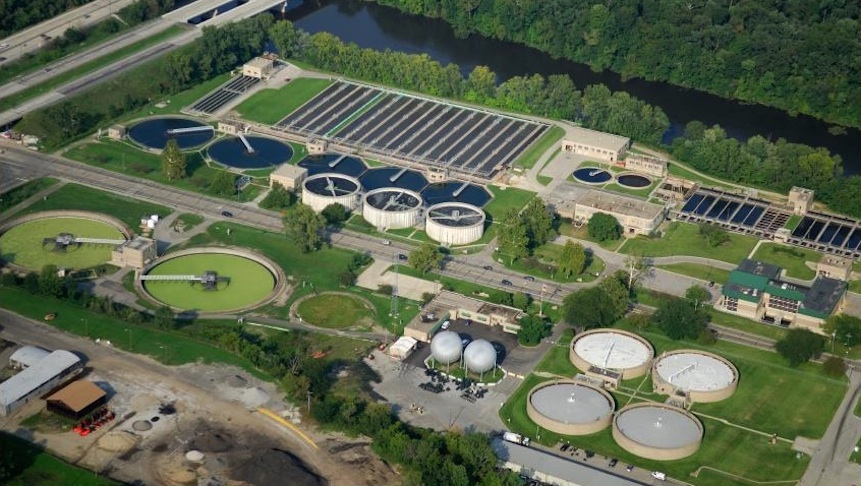
Treating Wastewaters:
Developing and improving treatment technologies for wastewaters to mitigate the release and impacts of contaminants of emerging concerns.
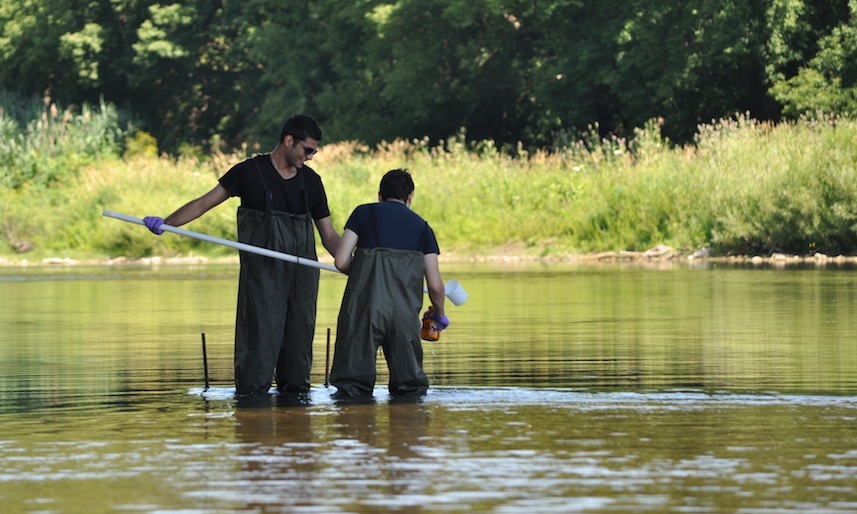
Assessing Fate & Exposure:
Monitoring presence and fate of contaminants of emerging concerns in the environment and engineered systems and exposure through drinking water.
Wastewater-Based Epidemiology:
Using wastewater as a complementary source of information on illicit drugs consumption providing data in quasi-real time for population of various sizes.
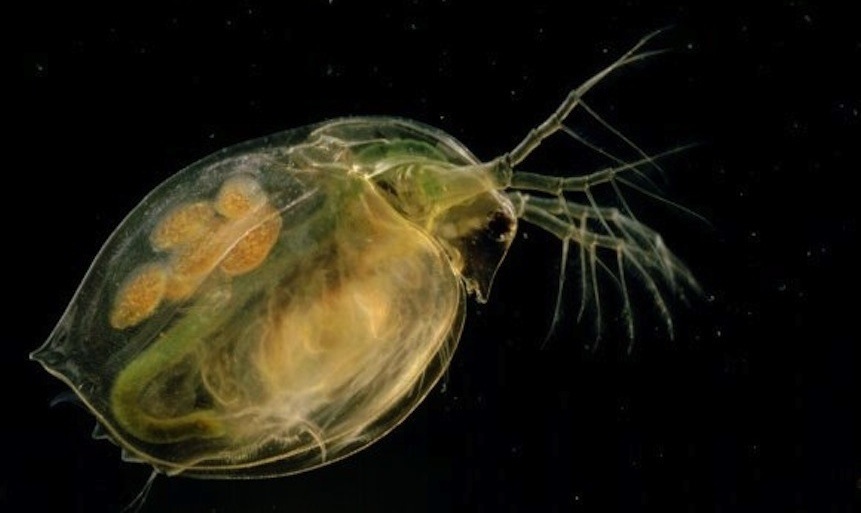
Assessing Effects:
Studying the nature and toxicity of transformation products of contaminants of emerging concerns and of treated wastewaters.
Types of Contaminants
- PFAS - Pesticides - Flame Retardants - Plasticizers - Drugs of Abuse - Endocrine Disruptors - Antibiotics - Transformation Products
Contact the facility
Talk to the team about your research, access, or a visit.
Find us
McGill University
3610 Rue University