%20--%3e%3cpath%20d='m171.4%2057.64c-7.4%200-10.86-5.38-10.86-11.38v-40.26h-100.8c-11.96%200-22.17%2010.14-22.17%2021.11v195.1c0%2011.53%209.55%2022.75%2021.57%2022.75h130.9c11.49%200%2021-11.09%2021-22.01v-165.4h-39.56z'%20fill='%239ca3af'%20mask='url(%23atom-cutout)'/%3e%3cpath%20d='m167%206v39.38c0%204.54%202.38%206.28%205.88%206.28h37.78l-43.66-45.66z'%20fill='%239ca3af'/%3e%3cdefs%3e%3cmask%20id='atom-cutout'%20maskUnits='userSpaceOnUse'%20x='0'%20y='0'%20width='250'%20height='250'%3e%3crect%20width='250'%20height='250'%20fill='white'/%3e%3cpath%20d='m170.9%20129.6c10.94-12.48%2017.43-24.24%2013.97-33.24-4.19-11.21-17.77-12.47-37.08-9.52-4.98-15.64-12.87-28.35-23.32-28.35-10.79%200-18.57%2011.93-23.02%2028.17-17.36-3.03-31.45-1.69-36.49%208.39-4.98%209.94%201.28%2021.82%2011.97%2034.54-10.43%2011.58-16.11%2022.34-13.02%2032.42%203.69%2011.75%2017.19%2013.26%2034.99%2010.73%200.55-0.08%201.09-0.2%203.01-0.54%204.87%2015.55%2012.86%2027.45%2023%2027.45%2010.49%200%2018.71-11.29%2022.46-26.29%202.93%200.65%208.01%201.4%2012.33%201.4%209.75%200%2021.67-2.81%2025.47-11.99%203.72-9.01-2.57-20.07-14.27-33.17zm9.01-30.87c2.5%207.02-2.98%2016.46-10.71%2026.48-5.4-5.65-9.44-9.29-15.55-13.82-0.74-7.74-1.84-13.34-3.84-20.08%2014.16-2.61%2026.8-2.03%2030.1%207.42zm-41.31%2050.97c-4.72%203.32-9.55%206.29-14.18%209.42-4.65-2.52-11.22-6.33-22.32-14.13-0.82-5.47-1.23-9.82-1.23-15.71%200-5.12%200.3-10.06%200.89-14.24%208.11-6.33%2015.66-11.07%2022.66-14.25%207.44%203.8%2015.16%208.37%2023.45%2014.22%200.6%204.72%200.73%209.15%200.73%2014.33%200%205.6-0.44%2011.01-1.12%2014.62-2.93%202.36-5.62%203.65-8.88%205.74zm7.79-42.44c-5.59-3.95-9.18-6.49-15.39-9.63%204.61-1.98%208.95-3.5%2013.3-4.68%201.28%204.69%201.91%209.19%202.09%2014.31zm-21.97-43.29c7.93%200%2014.64%2011.47%2018.68%2023.94-6.36%201.78-11.42%203.79-18.62%206.96-6.77-3.11-12.38-5.48-17.96-7.13%204.18-12.87%2010.76-23.77%2017.9-23.77zm-19.37%2029.22c5.05%201.33%208.33%202.71%2013.01%204.56-5.36%202.85-10.09%205.92-15.56%2010.03%200.76-5.4%201.28-9.62%202.55-14.59zm-35.34%204.4c3.36-7.68%2014.59-8.65%2030.26-6.08-1.83%207.23-2.96%2013.21-3.66%2020.35-6.18%205.21-9.52%208.35-15.07%2013.83-7.79-9.53-14.52-20.8-11.53-28.1zm25.85%2021.42c-0.23%203.74-0.32%206.1-0.32%209.85%200%203.88%200.16%207.34%200.46%2011.33-4.1-3.52-7.4-6.83-10.27-10.51%203.55-3.84%206.17-6.89%2010.13-10.67zm-27.06%2041.05c-2.73-7.87%203.21-16.65%2013.11-26.45%205.07%205.38%208.7%209.09%2015.15%2014.29%200.94%207.54%201.9%2012.71%203.4%2020.17-14.04%202.46-28.01%202.08-31.66-8.01zm35.68-8.34c6.12%204.32%2010.97%207.43%2014.7%2010.03-4.97%202.19-9.12%203.61-13.66%204.9-0.91-4.79-1.44-9.58-1.04-14.93zm20.67%2042.52c-8.13%200-14.08-9.82-18.68-22.01%207.14-1.94%2011.4-3.69%2018.74-6.48%206.22%203.02%2010.89%205%2017.55%206.54-4.15%2012.47-10.36%2021.95-17.61%2021.95zm19.1-27.83c-4.8-1.27-7.77-2.5-13.1-4.83%205.87-3.09%2010.36-5.89%2015.58-9.79-0.8%205.47-1.27%209.62-2.48%2014.62zm8.75-24.86c0.3-4.12%200.4-7.86%200.4-12.24%200-3.32-0.1-5.87-0.34-9.67%204.48%203.8%207.81%207.15%2011.47%2011.43-3.78%204.12-7.02%207.24-11.53%2010.48zm27.38%2019.34c-4.3%207.82-17.33%208.55-31.3%206.68%202.01-7.43%202.89-12.73%204.22-20.78%206.09-4.53%209.96-8.1%2015.22-13.18%208.55%2010.08%2016.52%2019.28%2011.86%2027.28z'%20fill='black'/%3e%3cpath%20d='m124.4%20141.5c8.15%200%2011.81-7.84%2011.48-12.71-0.54-7.29-5.85-11.33-11.48-11.33-7.68%200-11.64%206.61-11.64%2011.69%200%206.85%204.42%2012.35%2011.64%2012.35z'%20fill='black'/%3e%3c/mask%3e%3c/defs%3e%3c/svg%3e)
Digital AssetAvailable
fullscatteringmatrixBTE
Quote on request
Faculty of Engineering
Chemical Engineering
McGill University
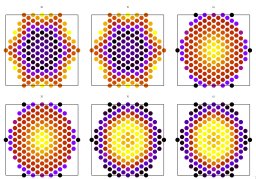
The `fullscatteringmatrixBTE` repository hosts a Python-based computational tool designed to solve the full scattering matrix Boltzmann Transport Equation (BTE) for phonon transport. This code is crucial for advanced studies in thermal transport, particularly at micro- and nanoscale dimensions where traditional approximations like the relaxation-time approximation (RTA) may become inaccurate. Its primary use case in research involves simulating complex phonon dynamics and their contribution to heat flow in various materials. This digital resource is engineered to go beyond the limitations of simpler models by incorporating the full scattering matrix, providing a more rigorous treatment of phonon-phonon interactions. It can obtain Green's function solutions for the linearized BTE, which are fundamental for understanding the system's response to thermal perturbations. The code is capable of predicting observables for pump-probe ultrafast electron diffuse scattering (UEDS) experiments, offering a direct link between theoretical models and experimental measurements. While specific performance metrics are not detailed, the underlying mathematical framework involves matrix inversions with a computational complexity scaling as O(M^3), where M is related to the discretization, though trivial parallelization can be employed to manage this. The `fullscatteringmatrixBTE` code finds extensive applications in condensed matter physics and materials science. It is commonly used to study phonon hydrodynamics and second sound oscillations, phenomena observed in materials like graphite and silicon under specific conditions. Researchers can leverage this tool to analyze non-diffusive thermal transport in high Debye temperature materials such as diamond and graphene, where RTA often fails. Furthermore, it enables the prediction of temperature and phonon population distributions resulting from arbitrary spatiotemporal heat sources, making it valuable for designing and interpreting transient thermal grating experiments. As a Python-based repository, users can expect standard Python dependencies common in scientific computing environments, such as NumPy and SciPy, though specific requirements would be detailed within the repository itself. The code's structure and accompanying documentation within the GitHub repository provide insights into its usage. The work behind this code has been presented at scientific conferences and is referenced in academic publications, underscoring its relevance and contribution to the field of thermal transport research.
NETLAB McGILL
Faculty of Engineering
Research lab focused on advancing scientific knowledge and innovation.
TH
Temporary PI for Samuel Huberman
NETLAB McGILL · McGill UniversityDigital AssetAvailable
fullscatteringmatrixBTE
Quote on request
Faculty of Engineering
Chemical Engineering
McGill University
The `fullscatteringmatrixBTE` repository hosts a Python-based computational tool designed to solve the full scattering matrix Boltzmann Transport Equation (BTE) for phonon transport. This code is crucial for advanced studies in thermal transport, particularly at micro- and nanoscale dimensions where traditional approximations like the relaxation-time approximation (RTA) may become inaccurate. Its primary use case in research involves simulating complex phonon dynamics and their contribution to heat flow in various materials. This digital resource is engineered to go beyond the limitations of simpler models by incorporating the full scattering matrix, providing a more rigorous treatment of phonon-phonon interactions. It can obtain Green's function solutions for the linearized BTE, which are fundamental for understanding the system's response to thermal perturbations. The code is capable of predicting observables for pump-probe ultrafast electron diffuse scattering (UEDS) experiments, offering a direct link between theoretical models and experimental measurements. While specific performance metrics are not detailed, the underlying mathematical framework involves matrix inversions with a computational complexity scaling as O(M^3), where M is related to the discretization, though trivial parallelization can be employed to manage this. The `fullscatteringmatrixBTE` code finds extensive applications in condensed matter physics and materials science. It is commonly used to study phonon hydrodynamics and second sound oscillations, phenomena observed in materials like graphite and silicon under specific conditions. Researchers can leverage this tool to analyze non-diffusive thermal transport in high Debye temperature materials such as diamond and graphene, where RTA often fails. Furthermore, it enables the prediction of temperature and phonon population distributions resulting from arbitrary spatiotemporal heat sources, making it valuable for designing and interpreting transient thermal grating experiments. As a Python-based repository, users can expect standard Python dependencies common in scientific computing environments, such as NumPy and SciPy, though specific requirements would be detailed within the repository itself. The code's structure and accompanying documentation within the GitHub repository provide insights into its usage. The work behind this code has been presented at scientific conferences and is referenced in academic publications, underscoring its relevance and contribution to the field of thermal transport research.
NETLAB McGILL
Faculty of Engineering
Research lab focused on advancing scientific knowledge and innovation.
TH
Temporary PI for Samuel Huberman
NETLAB McGILL · McGill UniversityYou might also like
Discover more resources that could support your research