ServiceAvailable
Immunohistochemistry (IHC) and Immunofluorescence (IF) Staining
Lady Davis Institute
Core facility
Jewish General Hospital
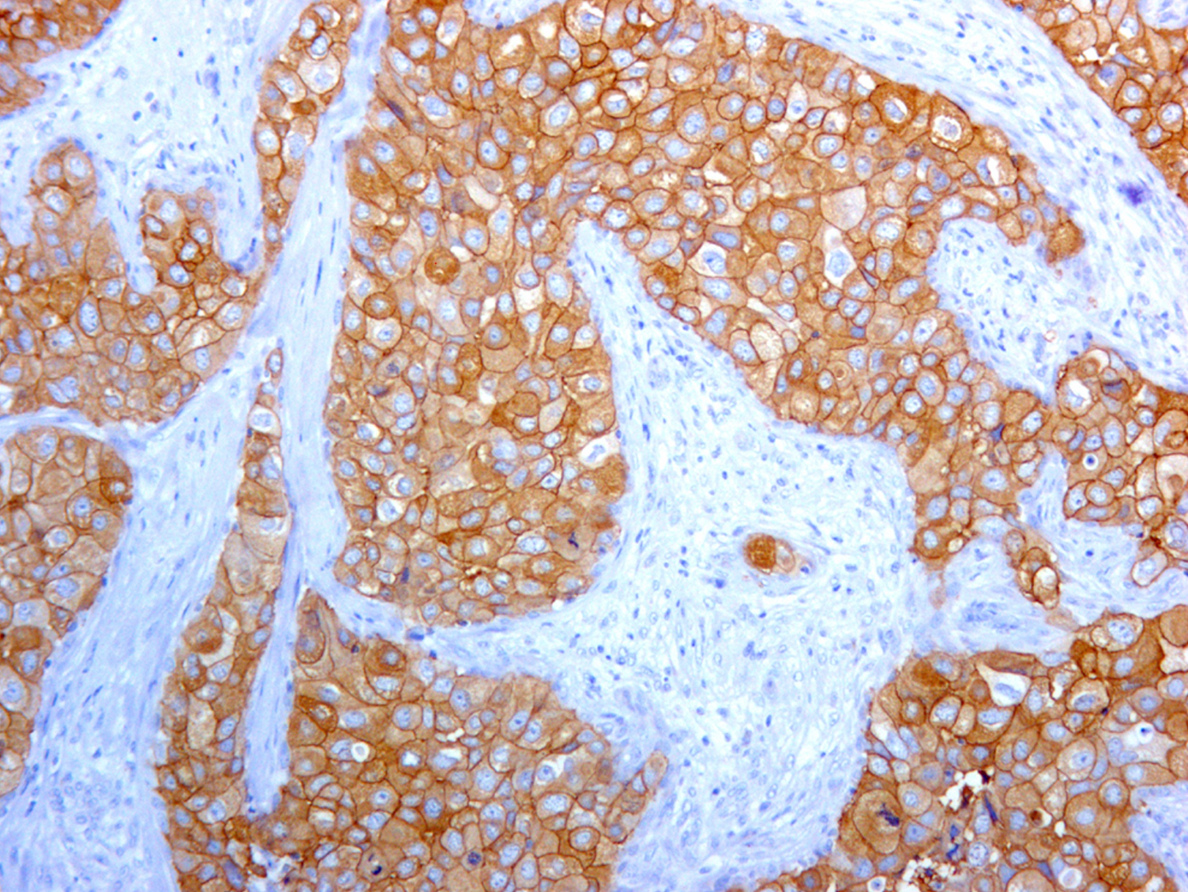
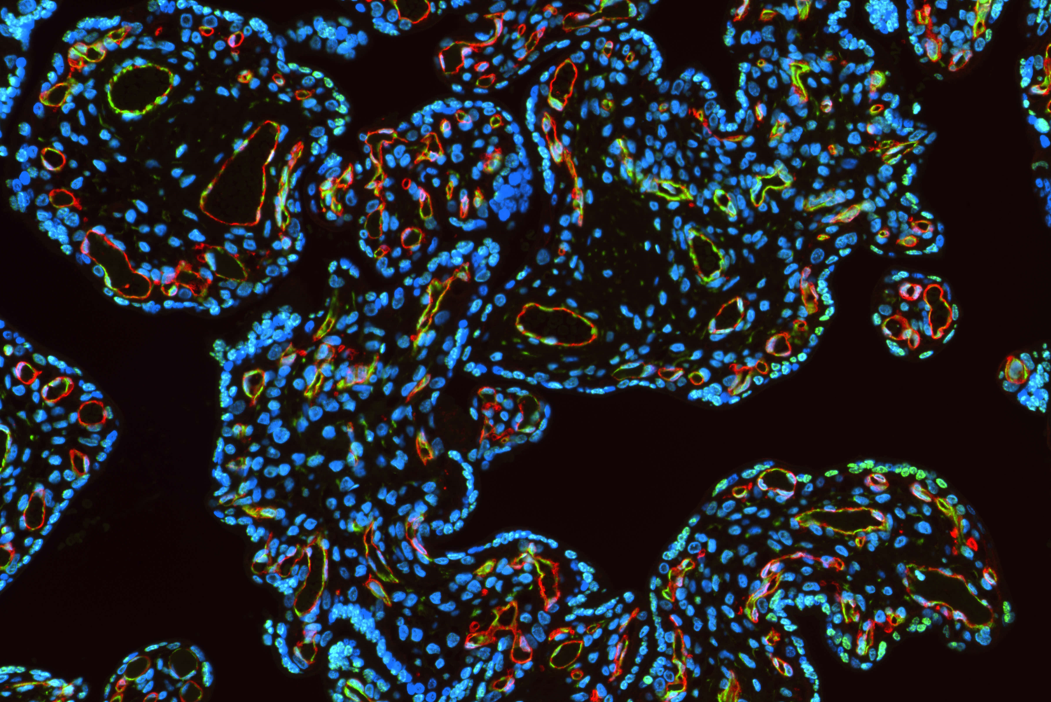
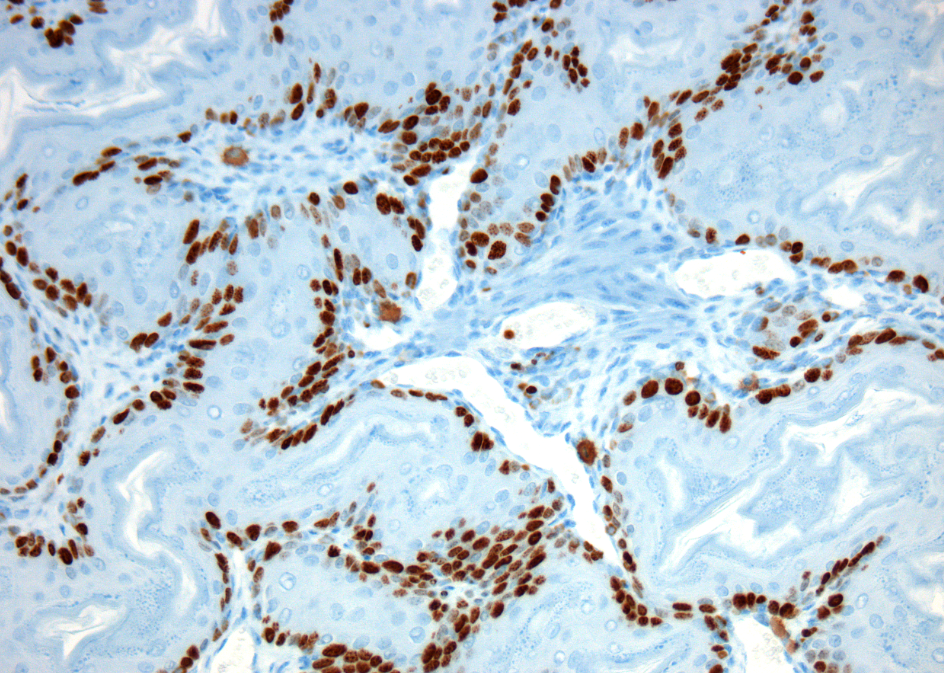
This service offers advanced immunostaining techniques for detecting and localizing specific proteins and antigens within tissue sections. Both Immunohistochemistry (IHC) and Immunofluorescence (IF) rely on the principle of antibody-antigen binding. IHC typically uses enzyme-linked detection systems (e.g., peroxidase) to produce a colored precipitate, allowing visualization under a brightfield microscope. IF, on the other hand, uses fluorophore-conjugated antibodies, with visualization under a fluorescence microscope. The service includes both single and double staining protocols. Single staining targets one antigen, while double staining (multiplexing) allows for the simultaneous detection and visualization of two different antigens on the same tissue section, providing insights into co-localization or spatial relationships between proteins. These techniques are indispensable for biomarker detection, studying protein expression patterns, and understanding disease mechanisms in research and diagnostic pathology.
The George and Olga Minarik Research Pathology Facility
Lady Davis Institute
Shared research facility offering instruments, services and expertise.
NB
Naciba Benlimame
The George and Olga Minarik Research Pathology Facility · Jewish General HospitalServiceAvailable
Immunohistochemistry (IHC) and Immunofluorescence (IF) Staining
Lady Davis Institute
Core facility
Jewish General Hospital
This service offers advanced immunostaining techniques for detecting and localizing specific proteins and antigens within tissue sections. Both Immunohistochemistry (IHC) and Immunofluorescence (IF) rely on the principle of antibody-antigen binding. IHC typically uses enzyme-linked detection systems (e.g., peroxidase) to produce a colored precipitate, allowing visualization under a brightfield microscope. IF, on the other hand, uses fluorophore-conjugated antibodies, with visualization under a fluorescence microscope. The service includes both single and double staining protocols. Single staining targets one antigen, while double staining (multiplexing) allows for the simultaneous detection and visualization of two different antigens on the same tissue section, providing insights into co-localization or spatial relationships between proteins. These techniques are indispensable for biomarker detection, studying protein expression patterns, and understanding disease mechanisms in research and diagnostic pathology.
The George and Olga Minarik Research Pathology Facility
Lady Davis Institute
Shared research facility offering instruments, services and expertise.
NB
Naciba Benlimame
The George and Olga Minarik Research Pathology Facility · Jewish General HospitalYou might also like
Discover more resources that could support your research