%20--%3e%3cpath%20d='m171.4%2057.64c-7.4%200-10.86-5.38-10.86-11.38v-40.26h-100.8c-11.96%200-22.17%2010.14-22.17%2021.11v195.1c0%2011.53%209.55%2022.75%2021.57%2022.75h130.9c11.49%200%2021-11.09%2021-22.01v-165.4h-39.56z'%20fill='%239ca3af'%20mask='url(%23atom-cutout)'/%3e%3cpath%20d='m167%206v39.38c0%204.54%202.38%206.28%205.88%206.28h37.78l-43.66-45.66z'%20fill='%239ca3af'/%3e%3cdefs%3e%3cmask%20id='atom-cutout'%20maskUnits='userSpaceOnUse'%20x='0'%20y='0'%20width='250'%20height='250'%3e%3crect%20width='250'%20height='250'%20fill='white'/%3e%3cpath%20d='m170.9%20129.6c10.94-12.48%2017.43-24.24%2013.97-33.24-4.19-11.21-17.77-12.47-37.08-9.52-4.98-15.64-12.87-28.35-23.32-28.35-10.79%200-18.57%2011.93-23.02%2028.17-17.36-3.03-31.45-1.69-36.49%208.39-4.98%209.94%201.28%2021.82%2011.97%2034.54-10.43%2011.58-16.11%2022.34-13.02%2032.42%203.69%2011.75%2017.19%2013.26%2034.99%2010.73%200.55-0.08%201.09-0.2%203.01-0.54%204.87%2015.55%2012.86%2027.45%2023%2027.45%2010.49%200%2018.71-11.29%2022.46-26.29%202.93%200.65%208.01%201.4%2012.33%201.4%209.75%200%2021.67-2.81%2025.47-11.99%203.72-9.01-2.57-20.07-14.27-33.17zm9.01-30.87c2.5%207.02-2.98%2016.46-10.71%2026.48-5.4-5.65-9.44-9.29-15.55-13.82-0.74-7.74-1.84-13.34-3.84-20.08%2014.16-2.61%2026.8-2.03%2030.1%207.42zm-41.31%2050.97c-4.72%203.32-9.55%206.29-14.18%209.42-4.65-2.52-11.22-6.33-22.32-14.13-0.82-5.47-1.23-9.82-1.23-15.71%200-5.12%200.3-10.06%200.89-14.24%208.11-6.33%2015.66-11.07%2022.66-14.25%207.44%203.8%2015.16%208.37%2023.45%2014.22%200.6%204.72%200.73%209.15%200.73%2014.33%200%205.6-0.44%2011.01-1.12%2014.62-2.93%202.36-5.62%203.65-8.88%205.74zm7.79-42.44c-5.59-3.95-9.18-6.49-15.39-9.63%204.61-1.98%208.95-3.5%2013.3-4.68%201.28%204.69%201.91%209.19%202.09%2014.31zm-21.97-43.29c7.93%200%2014.64%2011.47%2018.68%2023.94-6.36%201.78-11.42%203.79-18.62%206.96-6.77-3.11-12.38-5.48-17.96-7.13%204.18-12.87%2010.76-23.77%2017.9-23.77zm-19.37%2029.22c5.05%201.33%208.33%202.71%2013.01%204.56-5.36%202.85-10.09%205.92-15.56%2010.03%200.76-5.4%201.28-9.62%202.55-14.59zm-35.34%204.4c3.36-7.68%2014.59-8.65%2030.26-6.08-1.83%207.23-2.96%2013.21-3.66%2020.35-6.18%205.21-9.52%208.35-15.07%2013.83-7.79-9.53-14.52-20.8-11.53-28.1zm25.85%2021.42c-0.23%203.74-0.32%206.1-0.32%209.85%200%203.88%200.16%207.34%200.46%2011.33-4.1-3.52-7.4-6.83-10.27-10.51%203.55-3.84%206.17-6.89%2010.13-10.67zm-27.06%2041.05c-2.73-7.87%203.21-16.65%2013.11-26.45%205.07%205.38%208.7%209.09%2015.15%2014.29%200.94%207.54%201.9%2012.71%203.4%2020.17-14.04%202.46-28.01%202.08-31.66-8.01zm35.68-8.34c6.12%204.32%2010.97%207.43%2014.7%2010.03-4.97%202.19-9.12%203.61-13.66%204.9-0.91-4.79-1.44-9.58-1.04-14.93zm20.67%2042.52c-8.13%200-14.08-9.82-18.68-22.01%207.14-1.94%2011.4-3.69%2018.74-6.48%206.22%203.02%2010.89%205%2017.55%206.54-4.15%2012.47-10.36%2021.95-17.61%2021.95zm19.1-27.83c-4.8-1.27-7.77-2.5-13.1-4.83%205.87-3.09%2010.36-5.89%2015.58-9.79-0.8%205.47-1.27%209.62-2.48%2014.62zm8.75-24.86c0.3-4.12%200.4-7.86%200.4-12.24%200-3.32-0.1-5.87-0.34-9.67%204.48%203.8%207.81%207.15%2011.47%2011.43-3.78%204.12-7.02%207.24-11.53%2010.48zm27.38%2019.34c-4.3%207.82-17.33%208.55-31.3%206.68%202.01-7.43%202.89-12.73%204.22-20.78%206.09-4.53%209.96-8.1%2015.22-13.18%208.55%2010.08%2016.52%2019.28%2011.86%2027.28z'%20fill='black'/%3e%3cpath%20d='m124.4%20141.5c8.15%200%2011.81-7.84%2011.48-12.71-0.54-7.29-5.85-11.33-11.48-11.33-7.68%200-11.64%206.61-11.64%2011.69%200%206.85%204.42%2012.35%2011.64%2012.35z'%20fill='black'/%3e%3c/mask%3e%3c/defs%3e%3c/svg%3e)
Digital AssetAvailable
Optical Sectioning Microscopy (Nature Methods Article)
Quote on request
Faculty of Medicine and Health Sciences
Core Facility
McGill University
This digital resource is a scientific article from Nature Methods, specifically addressing optical sectioning microscopy. This technique is fundamental in fluorescence microscopy for obtaining clear images from specific focal planes within thick specimens, effectively removing out-of-focus blur. The article likely details the principles and practical considerations of achieving optical sectioning. The content of the article would cover various optical sectioning methods, such as confocal microscopy, structured illumination microscopy (SIM), or two-photon microscopy, explaining their mechanisms and advantages. It would provide technical specifications and performance metrics relevant to these techniques, including resolution, penetration depth, and speed of image acquisition. Understanding these details is critical for researchers to select the appropriate optical sectioning method for their specific biological questions. Researchers in fields like neuroscience, developmental biology, and tissue engineering frequently utilize optical sectioning microscopy to visualize cellular structures and processes in 3D. The article would guide them in optimizing their imaging parameters, such as pinhole size in confocal microscopy or excitation wavelengths in multi-photon microscopy, to achieve high-quality, artifact-free images. It helps in overcoming challenges associated with light scattering and absorption in biological samples. Being a publication in Nature Methods, the article is a reliable source for advanced microscopy techniques. It provides valuable insights into the capabilities and limitations of optical sectioning, enabling researchers to conduct more precise and quantitative imaging studies. The information supports the development of robust experimental protocols and the accurate interpretation of complex biological data.
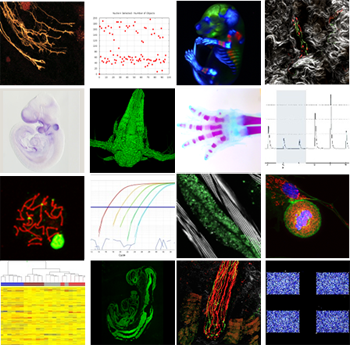
Imaging and Molecular Biology Platform
Faculty of Medicine and Health Sciences
Shared research facility offering instruments, services and expertise.
NA
Nicolas Audet
Scientist with excellent management, organization, critical thinking and problem-solving skills. Experience in creating, planning and conducting projects that result in scientific publications. Strong ability to collaborate with a broad range of teams from research group to pharmaceutical companies.
Imaging and Molecular Biology Platform · McGill UniversityDigital AssetAvailable
Optical Sectioning Microscopy (Nature Methods Article)
Quote on request
Faculty of Medicine and Health Sciences
Core Facility
McGill University
This digital resource is a scientific article from Nature Methods, specifically addressing optical sectioning microscopy. This technique is fundamental in fluorescence microscopy for obtaining clear images from specific focal planes within thick specimens, effectively removing out-of-focus blur. The article likely details the principles and practical considerations of achieving optical sectioning. The content of the article would cover various optical sectioning methods, such as confocal microscopy, structured illumination microscopy (SIM), or two-photon microscopy, explaining their mechanisms and advantages. It would provide technical specifications and performance metrics relevant to these techniques, including resolution, penetration depth, and speed of image acquisition. Understanding these details is critical for researchers to select the appropriate optical sectioning method for their specific biological questions. Researchers in fields like neuroscience, developmental biology, and tissue engineering frequently utilize optical sectioning microscopy to visualize cellular structures and processes in 3D. The article would guide them in optimizing their imaging parameters, such as pinhole size in confocal microscopy or excitation wavelengths in multi-photon microscopy, to achieve high-quality, artifact-free images. It helps in overcoming challenges associated with light scattering and absorption in biological samples. Being a publication in Nature Methods, the article is a reliable source for advanced microscopy techniques. It provides valuable insights into the capabilities and limitations of optical sectioning, enabling researchers to conduct more precise and quantitative imaging studies. The information supports the development of robust experimental protocols and the accurate interpretation of complex biological data.
Imaging and Molecular Biology Platform
Faculty of Medicine and Health Sciences
Shared research facility offering instruments, services and expertise.
NA
Nicolas Audet
Scientist with excellent management, organization, critical thinking and problem-solving skills. Experience in creating, planning and conducting projects that result in scientific publications. Strong ability to collaborate with a broad range of teams from research group to pharmaceutical companies.
Imaging and Molecular Biology Platform · McGill UniversityYou might also like
Discover more resources that could support your research