%20--%3e%3cpath%20d='m171.4%2057.64c-7.4%200-10.86-5.38-10.86-11.38v-40.26h-100.8c-11.96%200-22.17%2010.14-22.17%2021.11v195.1c0%2011.53%209.55%2022.75%2021.57%2022.75h130.9c11.49%200%2021-11.09%2021-22.01v-165.4h-39.56z'%20fill='%239ca3af'%20mask='url(%23atom-cutout)'/%3e%3cpath%20d='m167%206v39.38c0%204.54%202.38%206.28%205.88%206.28h37.78l-43.66-45.66z'%20fill='%239ca3af'/%3e%3cdefs%3e%3cmask%20id='atom-cutout'%20maskUnits='userSpaceOnUse'%20x='0'%20y='0'%20width='250'%20height='250'%3e%3crect%20width='250'%20height='250'%20fill='white'/%3e%3cpath%20d='m170.9%20129.6c10.94-12.48%2017.43-24.24%2013.97-33.24-4.19-11.21-17.77-12.47-37.08-9.52-4.98-15.64-12.87-28.35-23.32-28.35-10.79%200-18.57%2011.93-23.02%2028.17-17.36-3.03-31.45-1.69-36.49%208.39-4.98%209.94%201.28%2021.82%2011.97%2034.54-10.43%2011.58-16.11%2022.34-13.02%2032.42%203.69%2011.75%2017.19%2013.26%2034.99%2010.73%200.55-0.08%201.09-0.2%203.01-0.54%204.87%2015.55%2012.86%2027.45%2023%2027.45%2010.49%200%2018.71-11.29%2022.46-26.29%202.93%200.65%208.01%201.4%2012.33%201.4%209.75%200%2021.67-2.81%2025.47-11.99%203.72-9.01-2.57-20.07-14.27-33.17zm9.01-30.87c2.5%207.02-2.98%2016.46-10.71%2026.48-5.4-5.65-9.44-9.29-15.55-13.82-0.74-7.74-1.84-13.34-3.84-20.08%2014.16-2.61%2026.8-2.03%2030.1%207.42zm-41.31%2050.97c-4.72%203.32-9.55%206.29-14.18%209.42-4.65-2.52-11.22-6.33-22.32-14.13-0.82-5.47-1.23-9.82-1.23-15.71%200-5.12%200.3-10.06%200.89-14.24%208.11-6.33%2015.66-11.07%2022.66-14.25%207.44%203.8%2015.16%208.37%2023.45%2014.22%200.6%204.72%200.73%209.15%200.73%2014.33%200%205.6-0.44%2011.01-1.12%2014.62-2.93%202.36-5.62%203.65-8.88%205.74zm7.79-42.44c-5.59-3.95-9.18-6.49-15.39-9.63%204.61-1.98%208.95-3.5%2013.3-4.68%201.28%204.69%201.91%209.19%202.09%2014.31zm-21.97-43.29c7.93%200%2014.64%2011.47%2018.68%2023.94-6.36%201.78-11.42%203.79-18.62%206.96-6.77-3.11-12.38-5.48-17.96-7.13%204.18-12.87%2010.76-23.77%2017.9-23.77zm-19.37%2029.22c5.05%201.33%208.33%202.71%2013.01%204.56-5.36%202.85-10.09%205.92-15.56%2010.03%200.76-5.4%201.28-9.62%202.55-14.59zm-35.34%204.4c3.36-7.68%2014.59-8.65%2030.26-6.08-1.83%207.23-2.96%2013.21-3.66%2020.35-6.18%205.21-9.52%208.35-15.07%2013.83-7.79-9.53-14.52-20.8-11.53-28.1zm25.85%2021.42c-0.23%203.74-0.32%206.1-0.32%209.85%200%203.88%200.16%207.34%200.46%2011.33-4.1-3.52-7.4-6.83-10.27-10.51%203.55-3.84%206.17-6.89%2010.13-10.67zm-27.06%2041.05c-2.73-7.87%203.21-16.65%2013.11-26.45%205.07%205.38%208.7%209.09%2015.15%2014.29%200.94%207.54%201.9%2012.71%203.4%2020.17-14.04%202.46-28.01%202.08-31.66-8.01zm35.68-8.34c6.12%204.32%2010.97%207.43%2014.7%2010.03-4.97%202.19-9.12%203.61-13.66%204.9-0.91-4.79-1.44-9.58-1.04-14.93zm20.67%2042.52c-8.13%200-14.08-9.82-18.68-22.01%207.14-1.94%2011.4-3.69%2018.74-6.48%206.22%203.02%2010.89%205%2017.55%206.54-4.15%2012.47-10.36%2021.95-17.61%2021.95zm19.1-27.83c-4.8-1.27-7.77-2.5-13.1-4.83%205.87-3.09%2010.36-5.89%2015.58-9.79-0.8%205.47-1.27%209.62-2.48%2014.62zm8.75-24.86c0.3-4.12%200.4-7.86%200.4-12.24%200-3.32-0.1-5.87-0.34-9.67%204.48%203.8%207.81%207.15%2011.47%2011.43-3.78%204.12-7.02%207.24-11.53%2010.48zm27.38%2019.34c-4.3%207.82-17.33%208.55-31.3%206.68%202.01-7.43%202.89-12.73%204.22-20.78%206.09-4.53%209.96-8.1%2015.22-13.18%208.55%2010.08%2016.52%2019.28%2011.86%2027.28z'%20fill='black'/%3e%3cpath%20d='m124.4%20141.5c8.15%200%2011.81-7.84%2011.48-12.71-0.54-7.29-5.85-11.33-11.48-11.33-7.68%200-11.64%206.61-11.64%2011.69%200%206.85%204.42%2012.35%2011.64%2012.35z'%20fill='black'/%3e%3c/mask%3e%3c/defs%3e%3c/svg%3e)
Digital AssetAvailable
Pyrosequencing Troubleshooting Guidelines (Stanford University)
Quote on request
Faculty of Medicine and Health Sciences
Core Facility
McGill University
These troubleshooting guidelines from Stanford University are designed to assist researchers in resolving common issues encountered during pyrosequencing experiments. Pyrosequencing, while powerful for quantitative DNA analysis, can be sensitive to various factors that may lead to suboptimal results. The document likely provides a systematic approach to diagnosing and correcting problems related to sample quality, PCR amplification, sequencing reaction setup, and data interpretation. It may cover issues such as low signal intensity, high background, unexpected peaks, or inconsistent results. Drawing on the expertise of a major research institution like Stanford, these guidelines offer practical solutions and tips to ensure the successful execution of pyrosequencing assays. This resource is essential for any laboratory performing pyrosequencing, helping to minimize downtime and improve the reliability of their genetic and epigenetic analyses.
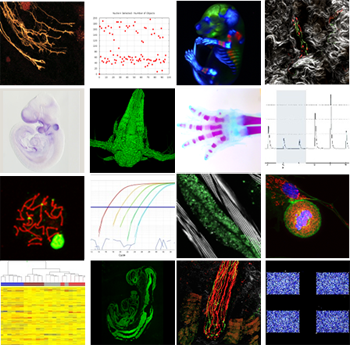
Imaging and Molecular Biology Platform
Faculty of Medicine and Health Sciences
Shared research facility offering instruments, services and expertise.
NA
Nicolas Audet
Scientist with excellent management, organization, critical thinking and problem-solving skills. Experience in creating, planning and conducting projects that result in scientific publications. Strong ability to collaborate with a broad range of teams from research group to pharmaceutical companies.
Imaging and Molecular Biology Platform · McGill UniversityDigital AssetAvailable
Pyrosequencing Troubleshooting Guidelines (Stanford University)
Quote on request
Faculty of Medicine and Health Sciences
Core Facility
McGill University
These troubleshooting guidelines from Stanford University are designed to assist researchers in resolving common issues encountered during pyrosequencing experiments. Pyrosequencing, while powerful for quantitative DNA analysis, can be sensitive to various factors that may lead to suboptimal results. The document likely provides a systematic approach to diagnosing and correcting problems related to sample quality, PCR amplification, sequencing reaction setup, and data interpretation. It may cover issues such as low signal intensity, high background, unexpected peaks, or inconsistent results. Drawing on the expertise of a major research institution like Stanford, these guidelines offer practical solutions and tips to ensure the successful execution of pyrosequencing assays. This resource is essential for any laboratory performing pyrosequencing, helping to minimize downtime and improve the reliability of their genetic and epigenetic analyses.
Imaging and Molecular Biology Platform
Faculty of Medicine and Health Sciences
Shared research facility offering instruments, services and expertise.
NA
Nicolas Audet
Scientist with excellent management, organization, critical thinking and problem-solving skills. Experience in creating, planning and conducting projects that result in scientific publications. Strong ability to collaborate with a broad range of teams from research group to pharmaceutical companies.
Imaging and Molecular Biology Platform · McGill UniversityYou might also like
Discover more resources that could support your research