%20--%3e%3cpath%20d='m171.4%2057.64c-7.4%200-10.86-5.38-10.86-11.38v-40.26h-100.8c-11.96%200-22.17%2010.14-22.17%2021.11v195.1c0%2011.53%209.55%2022.75%2021.57%2022.75h130.9c11.49%200%2021-11.09%2021-22.01v-165.4h-39.56z'%20fill='%239ca3af'%20mask='url(%23atom-cutout)'/%3e%3cpath%20d='m167%206v39.38c0%204.54%202.38%206.28%205.88%206.28h37.78l-43.66-45.66z'%20fill='%239ca3af'/%3e%3cdefs%3e%3cmask%20id='atom-cutout'%20maskUnits='userSpaceOnUse'%20x='0'%20y='0'%20width='250'%20height='250'%3e%3crect%20width='250'%20height='250'%20fill='white'/%3e%3cpath%20d='m170.9%20129.6c10.94-12.48%2017.43-24.24%2013.97-33.24-4.19-11.21-17.77-12.47-37.08-9.52-4.98-15.64-12.87-28.35-23.32-28.35-10.79%200-18.57%2011.93-23.02%2028.17-17.36-3.03-31.45-1.69-36.49%208.39-4.98%209.94%201.28%2021.82%2011.97%2034.54-10.43%2011.58-16.11%2022.34-13.02%2032.42%203.69%2011.75%2017.19%2013.26%2034.99%2010.73%200.55-0.08%201.09-0.2%203.01-0.54%204.87%2015.55%2012.86%2027.45%2023%2027.45%2010.49%200%2018.71-11.29%2022.46-26.29%202.93%200.65%208.01%201.4%2012.33%201.4%209.75%200%2021.67-2.81%2025.47-11.99%203.72-9.01-2.57-20.07-14.27-33.17zm9.01-30.87c2.5%207.02-2.98%2016.46-10.71%2026.48-5.4-5.65-9.44-9.29-15.55-13.82-0.74-7.74-1.84-13.34-3.84-20.08%2014.16-2.61%2026.8-2.03%2030.1%207.42zm-41.31%2050.97c-4.72%203.32-9.55%206.29-14.18%209.42-4.65-2.52-11.22-6.33-22.32-14.13-0.82-5.47-1.23-9.82-1.23-15.71%200-5.12%200.3-10.06%200.89-14.24%208.11-6.33%2015.66-11.07%2022.66-14.25%207.44%203.8%2015.16%208.37%2023.45%2014.22%200.6%204.72%200.73%209.15%200.73%2014.33%200%205.6-0.44%2011.01-1.12%2014.62-2.93%202.36-5.62%203.65-8.88%205.74zm7.79-42.44c-5.59-3.95-9.18-6.49-15.39-9.63%204.61-1.98%208.95-3.5%2013.3-4.68%201.28%204.69%201.91%209.19%202.09%2014.31zm-21.97-43.29c7.93%200%2014.64%2011.47%2018.68%2023.94-6.36%201.78-11.42%203.79-18.62%206.96-6.77-3.11-12.38-5.48-17.96-7.13%204.18-12.87%2010.76-23.77%2017.9-23.77zm-19.37%2029.22c5.05%201.33%208.33%202.71%2013.01%204.56-5.36%202.85-10.09%205.92-15.56%2010.03%200.76-5.4%201.28-9.62%202.55-14.59zm-35.34%204.4c3.36-7.68%2014.59-8.65%2030.26-6.08-1.83%207.23-2.96%2013.21-3.66%2020.35-6.18%205.21-9.52%208.35-15.07%2013.83-7.79-9.53-14.52-20.8-11.53-28.1zm25.85%2021.42c-0.23%203.74-0.32%206.1-0.32%209.85%200%203.88%200.16%207.34%200.46%2011.33-4.1-3.52-7.4-6.83-10.27-10.51%203.55-3.84%206.17-6.89%2010.13-10.67zm-27.06%2041.05c-2.73-7.87%203.21-16.65%2013.11-26.45%205.07%205.38%208.7%209.09%2015.15%2014.29%200.94%207.54%201.9%2012.71%203.4%2020.17-14.04%202.46-28.01%202.08-31.66-8.01zm35.68-8.34c6.12%204.32%2010.97%207.43%2014.7%2010.03-4.97%202.19-9.12%203.61-13.66%204.9-0.91-4.79-1.44-9.58-1.04-14.93zm20.67%2042.52c-8.13%200-14.08-9.82-18.68-22.01%207.14-1.94%2011.4-3.69%2018.74-6.48%206.22%203.02%2010.89%205%2017.55%206.54-4.15%2012.47-10.36%2021.95-17.61%2021.95zm19.1-27.83c-4.8-1.27-7.77-2.5-13.1-4.83%205.87-3.09%2010.36-5.89%2015.58-9.79-0.8%205.47-1.27%209.62-2.48%2014.62zm8.75-24.86c0.3-4.12%200.4-7.86%200.4-12.24%200-3.32-0.1-5.87-0.34-9.67%204.48%203.8%207.81%207.15%2011.47%2011.43-3.78%204.12-7.02%207.24-11.53%2010.48zm27.38%2019.34c-4.3%207.82-17.33%208.55-31.3%206.68%202.01-7.43%202.89-12.73%204.22-20.78%206.09-4.53%209.96-8.1%2015.22-13.18%208.55%2010.08%2016.52%2019.28%2011.86%2027.28z'%20fill='black'/%3e%3cpath%20d='m124.4%20141.5c8.15%200%2011.81-7.84%2011.48-12.71-0.54-7.29-5.85-11.33-11.48-11.33-7.68%200-11.64%206.61-11.64%2011.69%200%206.85%204.42%2012.35%2011.64%2012.35z'%20fill='black'/%3e%3c/mask%3e%3c/defs%3e%3c/svg%3e)
Digital AssetAvailable
superlattice
Quote on request
Faculty of Engineering
Chemical Engineering
McGill University
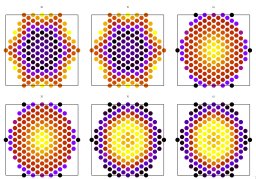
The `superlattice` repository contains MATLAB programs designed to facilitate molecular dynamics (MD) simulations of superlattice structures, specifically focusing on alkanethiol-gold nanoparticle systems. A superlattice, in materials science, refers to a periodic structure composed of alternating layers of two or more different materials, exhibiting periodicity at both the atomic crystal lattice scale and the larger scale of the repeating layers. These engineered materials possess unique electronic, optical, and magnetic properties not found in their constituent bulk materials, making them a subject of intense research in nanotechnology and condensed matter physics. This software package is primarily intended for generating input files compatible with LAMMPS (Large-scale Atomic/Molecular Massively Parallel Simulator), a widely used open-source MD code. The MATLAB scripts within the repository enable the creation of LAMMPS data files for both single alkanethiol-gold nanoparticles and complex gold nanoparticle superlattices with various orientations. A key feature is the coarse-graining of alkanethiol molecules using a united-atom model, simplifying the computational complexity while retaining essential physical characteristics. The repository also includes a `lammps.input` file that specifies the necessary force field parameters for these simulations. Superlattices themselves can be fabricated using advanced techniques like Molecular-beam epitaxy and sputtering, allowing for layers as thin as a few atomic layers. Superlattice simulations are crucial for designing novel materials with tailored properties and understanding their fundamental behavior. Applications span various fields, including the development of advanced semiconductor devices such as quantum wells, wires, dots, heterojunctions, and quantum cascade lasers. They are also vital for X-ray diffraction analysis to verify structural quality, and in quantum simulation for engineering Hubbard couplings and fermionic systems. The ability to control properties like carrier mobility, magnetoresistance, and optical features makes superlattices highly valuable for next-generation electronic and optoelectronic devices. The `schuberm/superlattice` repository is written in MATLAB, requiring a MATLAB environment for execution. Its primary dependency is LAMMPS, which performs the actual molecular dynamics simulations based on the generated input files. The repository includes a README file that outlines its purpose and the structure of the contained scripts, providing a basic level of documentation. Researchers can use this tool to efficiently set up and explore the structural and dynamic properties of gold nanoparticle superlattices, contributing to the broader understanding and development of these advanced materials.
NETLAB McGILL
Faculty of Engineering
Research lab focused on advancing scientific knowledge and innovation.
TH
Temporary PI for Samuel Huberman
NETLAB McGILL · McGill UniversityDigital AssetAvailable
superlattice
Quote on request
Faculty of Engineering
Chemical Engineering
McGill University
The `superlattice` repository contains MATLAB programs designed to facilitate molecular dynamics (MD) simulations of superlattice structures, specifically focusing on alkanethiol-gold nanoparticle systems. A superlattice, in materials science, refers to a periodic structure composed of alternating layers of two or more different materials, exhibiting periodicity at both the atomic crystal lattice scale and the larger scale of the repeating layers. These engineered materials possess unique electronic, optical, and magnetic properties not found in their constituent bulk materials, making them a subject of intense research in nanotechnology and condensed matter physics. This software package is primarily intended for generating input files compatible with LAMMPS (Large-scale Atomic/Molecular Massively Parallel Simulator), a widely used open-source MD code. The MATLAB scripts within the repository enable the creation of LAMMPS data files for both single alkanethiol-gold nanoparticles and complex gold nanoparticle superlattices with various orientations. A key feature is the coarse-graining of alkanethiol molecules using a united-atom model, simplifying the computational complexity while retaining essential physical characteristics. The repository also includes a `lammps.input` file that specifies the necessary force field parameters for these simulations. Superlattices themselves can be fabricated using advanced techniques like Molecular-beam epitaxy and sputtering, allowing for layers as thin as a few atomic layers. Superlattice simulations are crucial for designing novel materials with tailored properties and understanding their fundamental behavior. Applications span various fields, including the development of advanced semiconductor devices such as quantum wells, wires, dots, heterojunctions, and quantum cascade lasers. They are also vital for X-ray diffraction analysis to verify structural quality, and in quantum simulation for engineering Hubbard couplings and fermionic systems. The ability to control properties like carrier mobility, magnetoresistance, and optical features makes superlattices highly valuable for next-generation electronic and optoelectronic devices. The `schuberm/superlattice` repository is written in MATLAB, requiring a MATLAB environment for execution. Its primary dependency is LAMMPS, which performs the actual molecular dynamics simulations based on the generated input files. The repository includes a README file that outlines its purpose and the structure of the contained scripts, providing a basic level of documentation. Researchers can use this tool to efficiently set up and explore the structural and dynamic properties of gold nanoparticle superlattices, contributing to the broader understanding and development of these advanced materials.
NETLAB McGILL
Faculty of Engineering
Research lab focused on advancing scientific knowledge and innovation.
TH
Temporary PI for Samuel Huberman
NETLAB McGILL · McGill UniversityYou might also like
Discover more resources that could support your research