Gladstone Institutes
Stem Cell Core
Human iPS cells: reprogramming, cell lines, cardiomyocytes, a tissue culture facility and hands-on training.
1650 Owens Street, San Francisco, CA 94158
The core
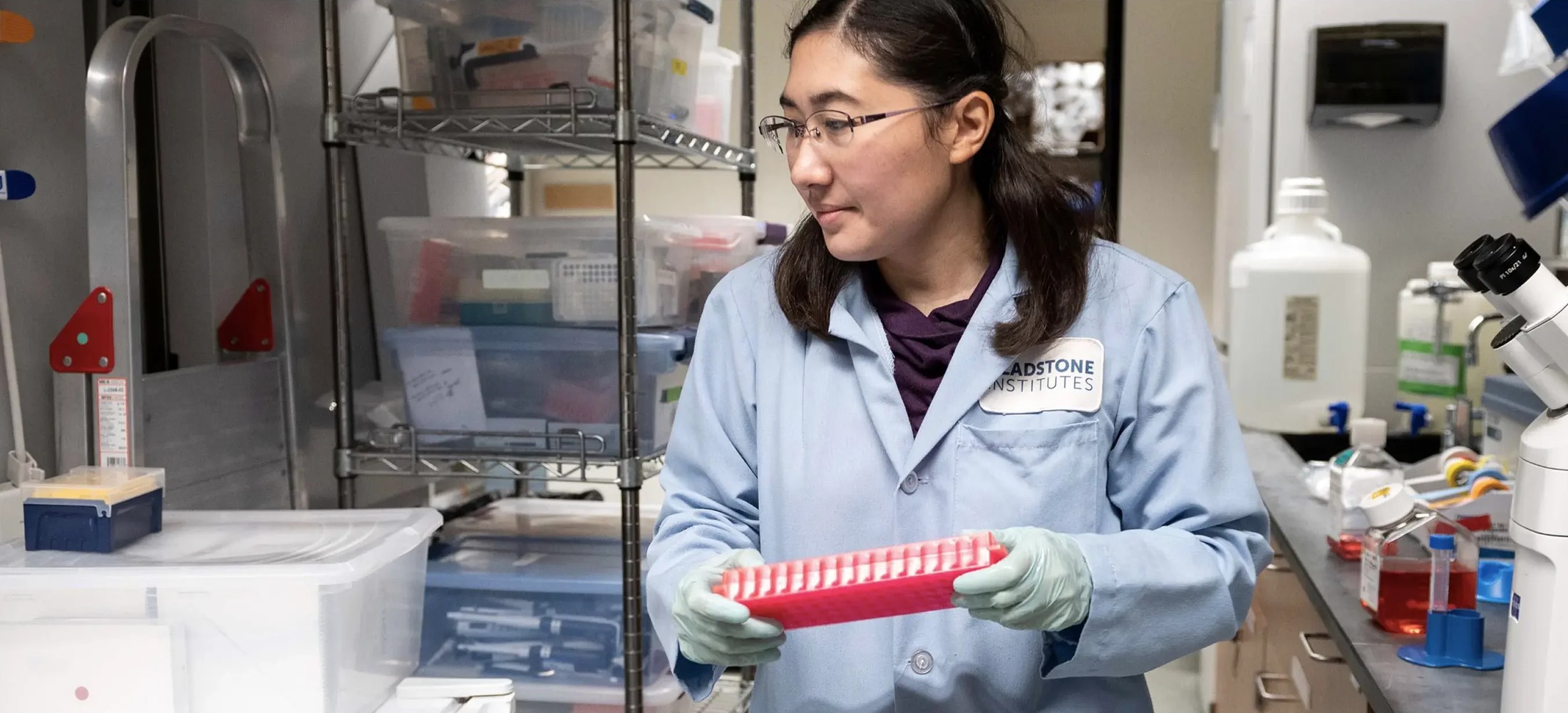
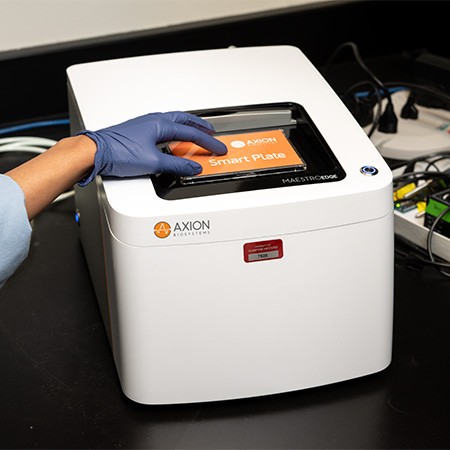
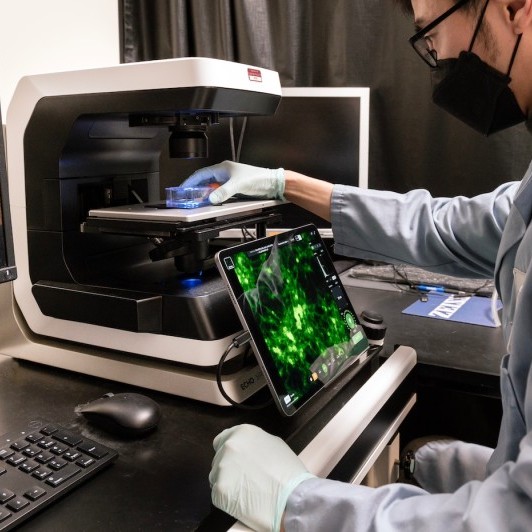
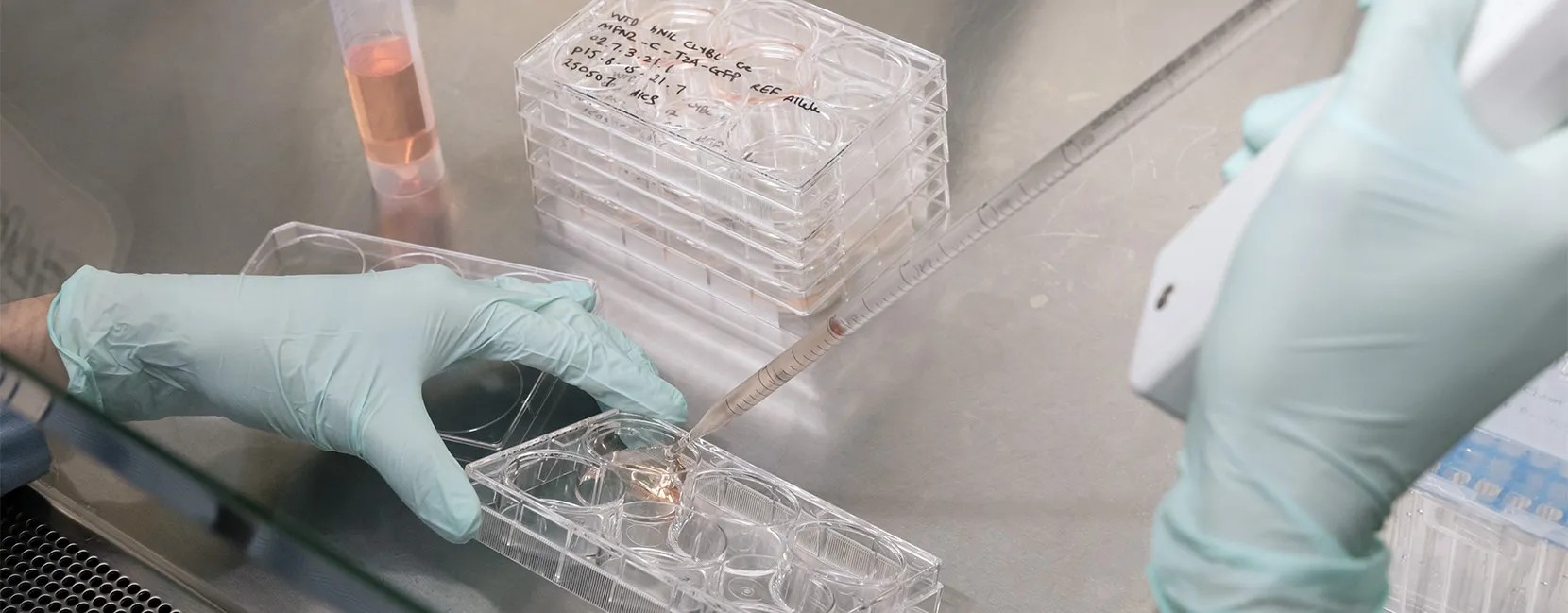
The Stem Cell Core specializes in making, growing and differentiating human induced pluripotent stem (iPS) cells. It runs a full tissue culture facility with specialized instruments, media, validated reagents and cell lines, for researchers new to stem cells and established ones alike.
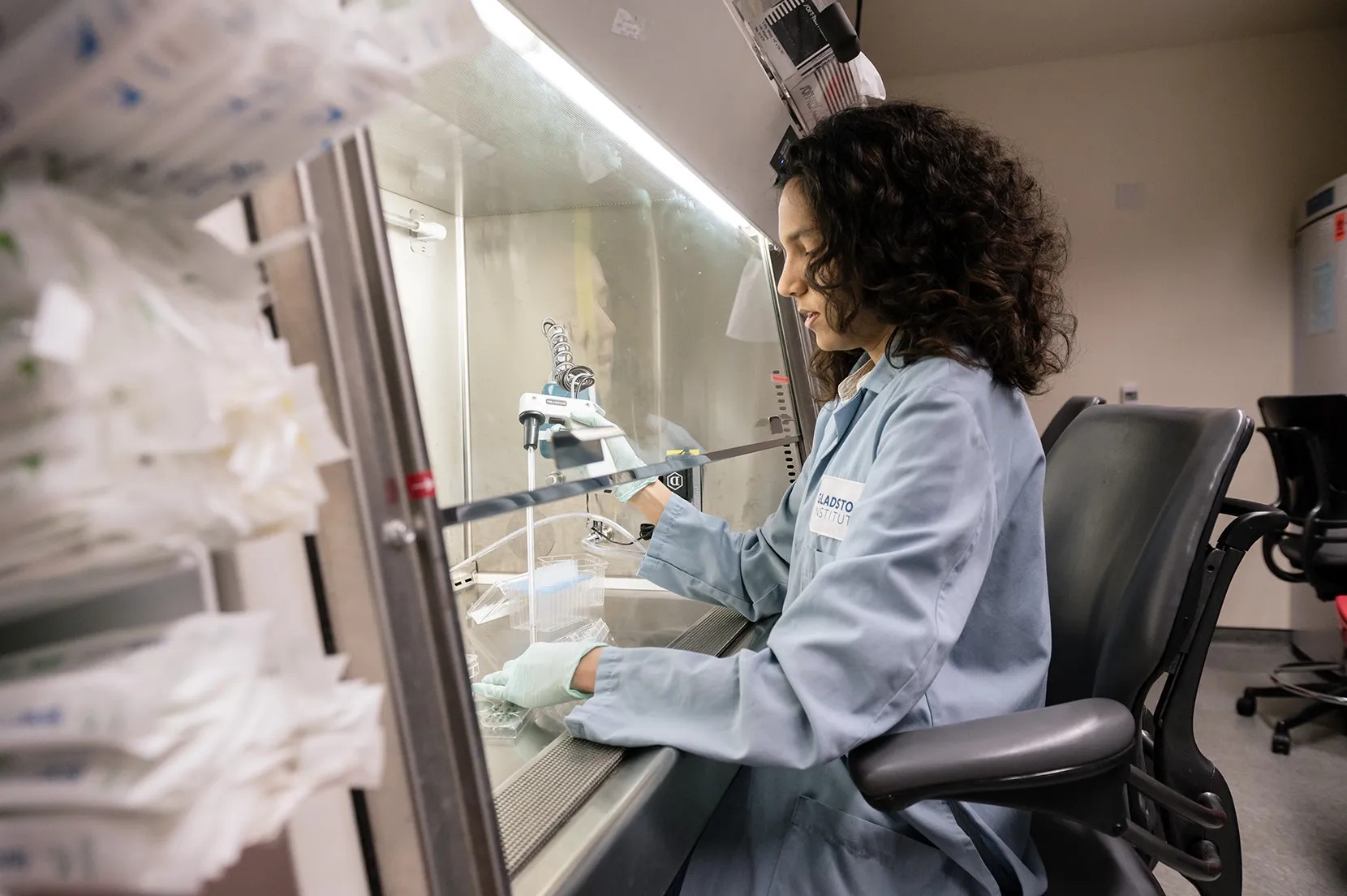
Use the facility and its media yourself, have the staff do the work, or learn it from them at the hood.
The core partners with the Gladstone-CIRM Shared Resources Laboratory to offer stem cell-based disease modeling, drug screening and CRISPR screening. More equipment is available there.
What the core does
Reprogramming. Human iPS cells from peripheral blood mononuclear cells (PBMCs) or from fibroblasts. The core also isolates PBMCs from whole human blood.
Cardiomyocytes. Differentiation of iPS cells into cardiomyocytes, by modulating Wnt signaling or with a STEMCELL Technologies kit.
Cell lines. The core distributes WTC11, WTC10 and WTB iPS cells; CRISPRi Gen1C, Gen2C and Gen1B, and CRISPRn Gen1C; WTC11-GCaMP6f; and WTC NGN2.
Expansion and banking of human iPS cells and skin fibroblasts, including the clean-up of cultures with a lot of spontaneous differentiation, for an extra fee.
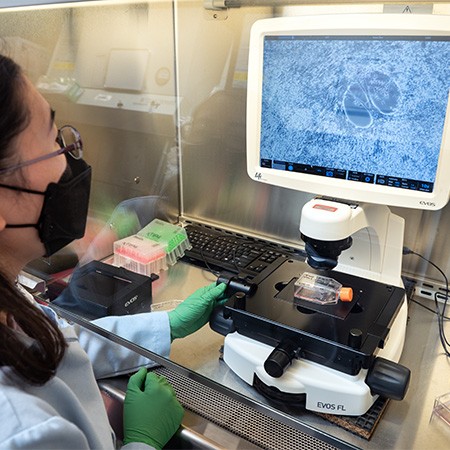
Quality control. Mycoplasma screening, and pluripotency checked by trilineage differentiation and fluorescent immunostaining. For a flow-based marker panel, see the Flow Cytometry Core.
Fees and access
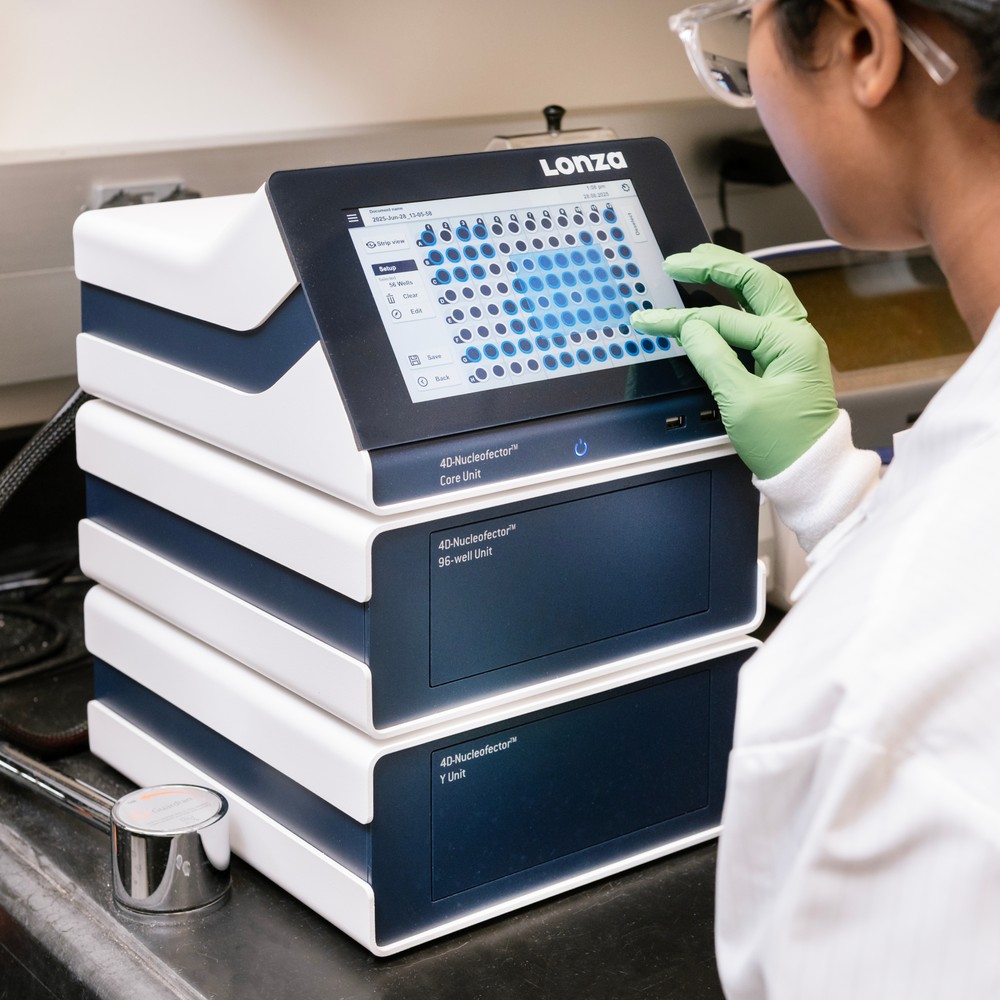
Facility use is charged as an add-on to the in-house media you buy, or by buying a sticker. The add-on covers plastics, PPE, some common reagents and standard equipment. Media, reagents, scientific services and specialized equipment are priced separately.
Your first 30-minute consultation is free.
Off-peak hours. You may be eligible for a Gladstone badge that opens the facility outside peak times.
From outside Gladstone, services need a service contract, and the iPS cell lines a material transfer agreement.
Plan ahead. The wait depends on the request and the core's workload. New projects generally need at least two weeks' notice.
Science that ran through the core
Papers that used the core span heart failure, congenital heart disease, COVID-19 and macular degeneration. A few examples:
Generation of WTD, a control human iPSC line for genetic research. Stem Cell Research, 2025.
Functional analysis of a common BAG3 allele associated with protection from heart failure. Nature Cardiovascular Research, 2023.
Transcription factor protein interactomes reveal genetic determinants in heart disease. Cell, 2022.
SARS-CoV-2 infection of human iPSC-derived cardiac cells reflects cytopathic features in hearts of patients with COVID-19. Science Translational Medicine, 2021.
The Publications tab lists more, each with the service it used.
Start a project
Pick a service and press Request service, or ask for the free first consultation. Tell the core what you start from and what you need.
Custom projects and collaborations are welcome. Describe yours in the request.
To learn a method yourself, request Hands-on training: iPS cell culture and maintenance, cardiomyocyte differentiation, reprogramming, or colony picking.
Contact the facility
Talk to the team about your research, access, or a visit.
New to the core
Write to the core to get started. Your first 30-minute consultation is free, and new projects generally need at least two weeks' notice.